Tuesday, August 2, 2022

Is Discord really worth 32% less today than it was last year?

Perhaps the most interesting story to emerge from the venture capital slowdown and stock market correction that began in late 2021 is the rejiggering of unicorn valuations.

Instacart and Stripe picked up new, lower 409a valuations. Klarna got repriced via an equity round, and other richly funded startups that raised last year are staring down the prospects of either flat or down rounds as 2022 continues.

And then there’s Discord, which raised $500 million last year at a massive $14.7 billion valuation, per PitchBook data. The chat-focused software company, which previously turned down an exit to Microsoft for around $10 billion, then saw its valuation fall, according to Fidelity calculations. (The U.S. investing house, which mostly focuses on publicly traded equities, owns some Discord stock in its Contrafund, giving us regular looks at how Fidelity values it.)

As Insider first reported, Fidelity recently cut its valuation for its Discord shares. Is that reduction fair? Today we’re digging into Discord’s price change per Fidelity numbers and what we know about its growth trajectory, and then we’ll close with a comparison of the public markets to the company’s changing worth.


The Exchange explores startups, markets and money.

Read it every morning on TechCrunch+ or get The Exchange newsletter every Saturday.


If Fidelity’s cut is fair, Discord will still retain decacorn status, membership in the somewhat rarified club of private companies worth $10 billion or more. But we may find that Discord is cheap at Fidelity’s new mark, or that it is expensive yet, which would bode ill for not just the well-known communications service favored by gamers, but for a host of other unicorns as well.


Google backs Indian rewards payments startup Twid

Twid, an Indian startup operating a rewards-based payment platform, has raised $12 million to scale its network of merchants and issuers and expand its solution in the South Asian market.

Rakuten Capital led the startup’s Series A round, which also saw participation from Google and existing investors including Sequoia Surge and Beenext.

Twid allows customers to pay at offline and online stores using their existing loyalty and reward points from banks, fintech platforms and e-commerce websites. The Bengaluru-based startup’s partners include online grocer JioMart, pharmacy NetMeds, ticketing platform Yatra and music streamer Gaana.

“The problem has been very simple and quite large across the globe, that people have got rewards from multiple places, but they have primarily been very much like a locked asset,” said Amit Koshal, founder and chief executive of Twid, in an interview with TechCrunch.

Koshal founded Twid with Rishi Batra and Amit Sharma in 2020 to build a network effect platform for the masses. The company claims to have amassed more than 40 million registered users.

Twid

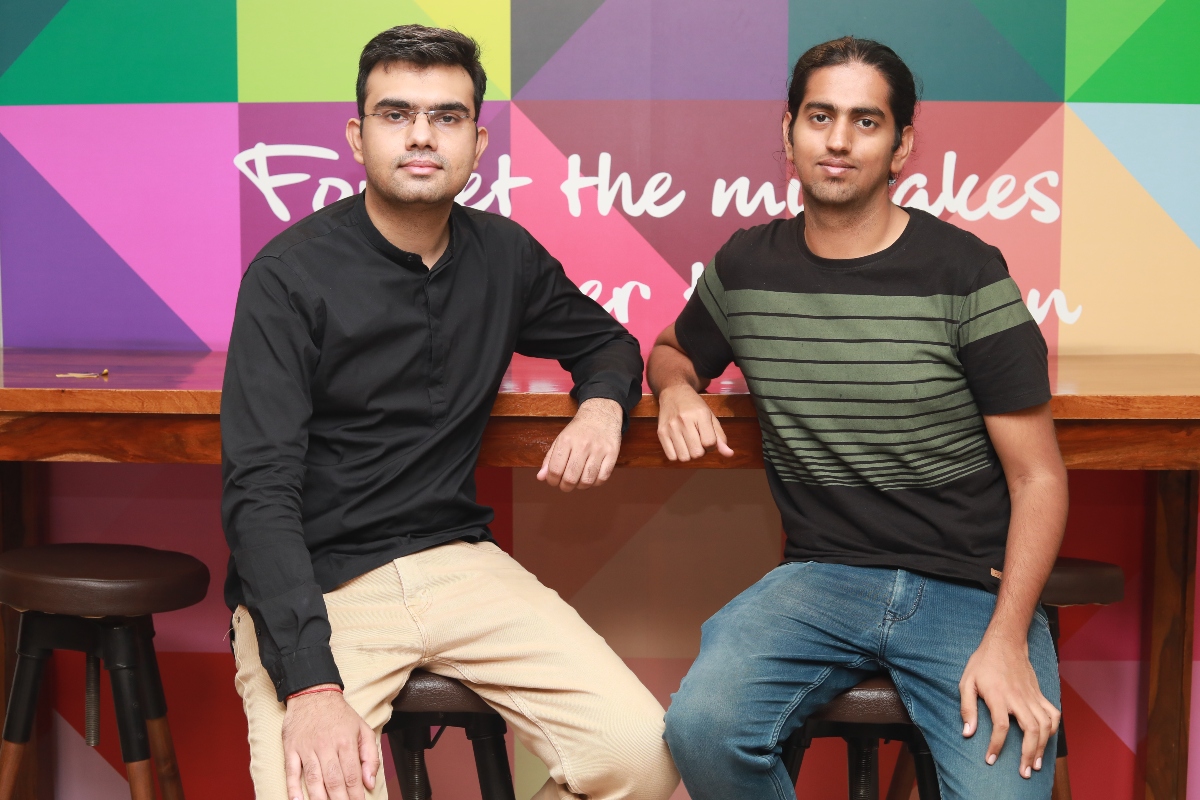
Twid co-founders Amit Sharma, Amit Koshal and Rishi Batra (from left to right). Image Credits: Twid

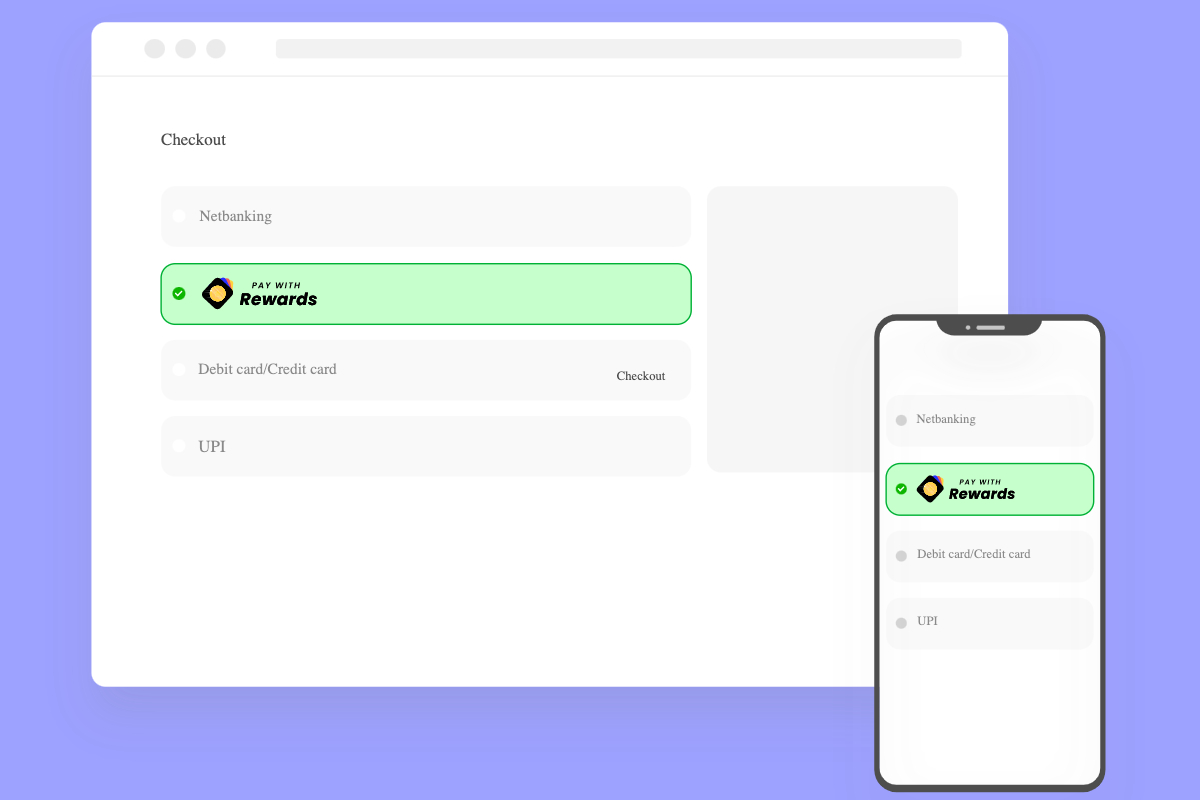
Twid brings a “Pay with Rewards” option that is available on the checkout page of an online store or at a retailer to let customers redeem their reward points for their purchases. The reward points, in this case, can come from a list of issuers, and users can pick which loyalty program or reward points they wish to redeem. 

IndusInd Bank, Payback and InterMiles are some of the key reward point issuers for Twid users. The platform also fetches reward points from Flipkart to let users make payments using their SuperCoins — the term the e-commerce firm uses for its loyalty points.

Twid claims that through its issuer partners, it provides access to more than $1 billion in reward points pool and has presence across over 50,000 merchants.

Koshal told TechCrunch that Twid controlled more than 5-8% of the total digital transactions of its merchant partners. The startup has also integrated its platform with payment gateways including PayU, RazorPay and CCAvenue to offer the rewards point-based payment option on several online stores.

“The idea is that we can control 80% of all the redemption that happens in the country,” Koshal said. The executive also claimed that merchants are actively integrating Twid’s platform as it is helping them acquire customers at a low cost — instead of luring them into making purchases after giving discounts or cashbacks.

“We give a lot of intelligence back to our partners; what are the kinds of categories that are doing good, what is the average order value that we have increased for you, how many transactions per customer that we are increasing for you,” Koshal said. “Similarly, from an issuer perspective, the issuer has good clarity because it’s their points getting used.”

Twid also helps its issuer partners fine-tune their offerings by sharing which reward points are making fast inroads with customers.

“When we are integrated with all these issuers, we have access to over 300 million customers from them,” he said.

Twid

Twid shows a “Pay with Rewards” option to let users pay using their reward points. Image Credits: Twid

Twid plans to use the fresh funds to grow its network and go deeper into the business, Koshal told TechCrunch. “The second one is that we want to build a great moonshot talent team. So, we are growing in all departments,” he said. The company currently has a headcount of 42 people.

The executive noted that there are plans to bolster the technology and “invest a lot” in data science. Rakuten India CEO Sunil Gopinath is joining the Twid board of directors on behalf of Rakuten Capital.

“Rakuten Capital sees tremendous potential and future synergies in this investment. Given our global membership products are developed here in Bengaluru by Rakuten India, I’m thrilled to join the Twid board of directors and look forward to working with Amit Koshal, Rishi Batra, Amit Sharma and their very capable team to transform the way reward points are viewed and used in India,” Gopinath said in a prepared statement.

Twid plans to leverage Rakuten’s expertise in reward points to enhance its platform.

“Whatever their [Rakuten’s] expertise is, from the kind of products, platforms etc., they have built, the skill that they have achieved, those are the learnings that we would be inculcating from them to build a very strong business in India to begin with,” Koshal told TechCrunch.

In a statement to TechCrunch, Rakuten Capital said that it saw a huge market potential for Indian-based rewards business opportunities, and Twid was well-positioned to take advantage of this opportunity to build and scale its business model.

“We are also looking forward to make available our tech talent at Rakuten India who has been building Rakuten Group’s global reward program platforms to support Twid with developing best-in-class solutions for India,” the corporate venture capital arm of the Japanese company said.

In parallel with Rakuten, Google’s addition is expected to help Twid expand its model of enabling customers to make purchases using their multiple reward points.

“Google has a long history of investing in early-stage startups across a variety of industries. And we are very excited to collaborate with credible players like them in the journey,” Koshal said.

In July last year, Twid raised $2.5 million in funding led by Beenext and Sequoia’s Surge. “What we liked when we met the team and what stood out to us is that rather than building out a closed-loop system, they tried to make this thing fungible and create an open-loop system,” Hero Choudhary, managing partner, Beenext, told TechCrunch, while describing what made the Singaporean venture capital firm support Twid since its early stage.


Getting acquired is a legitimate strategy for building your business

Good companies get bought not sold.

This saying has been passed down as conventional wisdom through generations of entrepreneurs, but it doesn’t tell the entire story. While the IPO is characterized as the pinnacle for venture-backed startups, far more companies see successful exits via an M&A process than by going public. Being bought by the best acquirer for you takes thoughtful planning, and, yes, selling.

As an entrepreneur, you probably started your company because you wanted to make a big impact. You’re building something that you truly believe will shift the world in a positive direction. And yes, there’s also an implied financial outcome there. People — maybe your investors, the media, your team — will often focus on the exit strategy in the context of a financial outcome.

Any investor or mentor will tell you that when a company says they want to buy you, the right answer is, “We are not for sale.”

In my experience, many founders are more motivated by the potential for impact. For these kinds of founders, my advice is to always consider acquisition as an option. It might not be obvious at first, but an acquisition can be your best path to massive scale.

Prior to becoming an early-stage investor at DTC, I ran business development and M&A for Microsoft across Europe and Israel. I was on the other side of the negotiations as Microsoft looked for innovative teams and technologies to bring into its fold. The founders who were able to capitalize the most on the acquisition process were those who’d planned for it from day one.

Planning for a potential acquisition is not a defeatist attitude

Companies are 10x more likely to be sold than to go public.


Vetted lands $15M for AI that helps shoppers find top products and deals

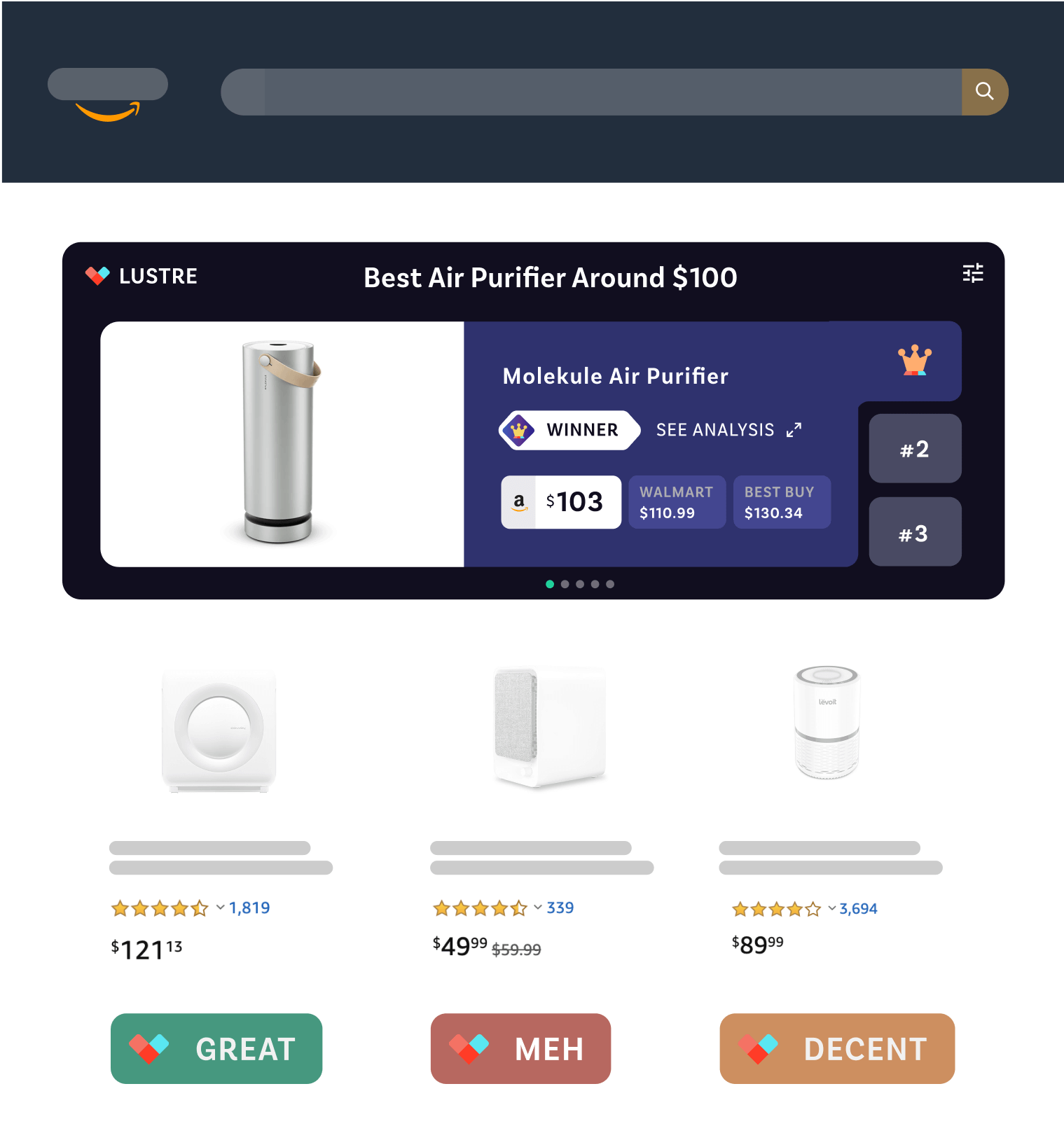
Vetted, the startup formerly known as Lustre, today announced that it secured $15 million to fund development of its AI-powered platform for product reviews. The cash infusion comes as part of a Series A led by Insight Partners, with participation from Index Ventures, Bling Capital, Golden Ventures and angels including former Meta VP of commerce Shiva Rajaraman, and founder and CEO Stuart Kearney tells TechCrunch that it’ll be invested in scaling Vetted’s machine learning technologies.

Kearney describes Vetted’s platform, which launched broadly today, as a “product search engine” for “discovering the brands and products most recommended for your needs. He started the company with Tim Etler and Tom Raleigh after a stint working on “smallsats” (spacecraft about the size of a kitchen fridge) at the NASA Ames Research Center and as a systems engineer at the Australian Department of Defense.

“We founded Vetted because we felt that shopping online has become an overwhelming and frankly anti-consumer experience,” Kearney told TechCrunch via email. “People shouldn’t have to spend hours sifting through indistinguishable products littered across thousands of ad-infested sites loaded with fake reviews and unreliable information.”

Vetted surfaces reviews for a given product from The New York Times’ Wirecutter, Reddit, YouTube and other “reputable” sites, according to Kearney (although some might argue that Reddit doesn’t always meet that criterion). Available on the web or as a Chrome extension, the platform compares prices across merchants, tracks changes and delivers alerts when there’s a sale.

Vetted

Image Credits: Vetted

There’s plenty of product comparison tools out there, like PayPal-owned Honey and Paribus (now Capital One Shopping). But what sets Vetted apart is its use of AI to identify the top products in different categories, Kearney says. Vetted ranks products based on more than 10,000 factors, including reviewer credibility, brand reliability, enthusiast consensus and how past generations performed. As prices change and new products and reviews appear, the platform updates the rankings while a team of 30 “product experts” work to make sure the results are accurate.

“We’ve built our own named entity recognition technology to identify mentions of brands and products. We then analyze the users’ sentiment towards them and use vectorization techniques to group together similar products to do further analysis,” Kearney said. “This enables us to transform the mess of thousands of threads into a well-organized summary of, for example, Reddit’s opinion on a given product or brand.”

Kearney wasn’t forthcoming about how Vetted’s ranking algorithm weighs the various factors and quantifies the more subjective aspects of product reviews, like “credibility.” He also didn’t disclose what work, if any, has been done behind the scenes to ensure Vetted analyzes reviews from different groups of people equally. AI models trained to understand a particular vernacular (e.g. standard English) tend to do poorly when exposed to unfamiliar text.

Kearney says that part of new the funding will go toward deploying more advanced search technologies, as well as AI systems to organize and understand product knowledge in forums. He notes that shoppers who used Vetted before the rebrand (when it was Lustre) ended up buying one of the platform’s suggestions 70% of the time, implying that they trusted Vetted’s recommendations.

“As ecommerce has grown and platforms like Shopify have made it incredibly easy for anyone to launch brands, the number of products people have to choose between has exploded and become fragmented over thousands of stores. This created a massive discovery problem which fueled equally massive ad spend on Amazon, Google, and Facebook to attempt to reach the consumer,” Kearney continued. “As a result, a product’s success has far more to do with how much the brand can afford to spend on ads rather than its quality or value for money. In order to best serve the consumer, ecommerce desperately needs a new solution that aggregates products and knowledge without being gated behind ad spend (the cost of which is directly passed to the consumer).”

Vetted

Image Credits: Vetted

So, how does Vetted plan to make money? Affiliate links to storefronts are one way. The rest is still being sussed out, but Kearney was adamant that Vetted won’t look to monetize the personally identifiable data the platform collects. “The only data we do collect are completely anonymized, aggregated, and related to general search performance to ensure we’re being helpful to our users,” he said.

When asked about the economic climate and whether it might impact business, Kearney didn’t express any concerns. With more than 330,000 users on Vetted, many of whom joined before the rebrand, he says that the company has “years” of runway and plans to expand its headcount by 30% in the next few months.

“As the economic downturn may cause money to get tighter, we believe Vetted will become an even more powerful way for people to stretch their dollar without the burden of endless research,” Kearney said. “Our primary competitors are people’s existing habits for shopping online, such as Googling ‘best [blank’] and spending hours poring over all the reviews and comparing products.”


Savana raises a fresh round of capital to digitize banks’ services

Malvern, Pennsylvania–based Savana, a company building financial software products for legacy banks, today announced that it raised $45 million. A portion of the capital — $10 million — was debt, while the rest was a Series A equity tranche led by Georgian Capital Partners.

CEO Michael Sanchez told TechCrunch that the proceeds will be put toward general growth and supporting Savana’s go-to-market and product development projects.

Savana was founded in 2009 by Sanchez, who previously served as the president of the international division of FIS. Prior to FIS, he launched Sanchez Computer Associates, a supplier of core banking systems.

The problem Savana solves pertains to architecture, Sanchez tells TechCrunch. Despite banks’ digital transformation efforts, many haven’t made the switch successfully, he ardently claims.

To his point, a 2022 survey found that — among banks and credit unions who believe they’re at least three-quarters through a transition to digital — less than 25% have seen a meaningful increase in revenue. Moreover, only 11% of finance executives say their organization has modernized systems to the point where they can easily incorporate new digital technologies, according to Deloitte.

“Today’s consumers prefer digital-only banking. This change in consumer behavior has been underway for a number of years and accelerated by COVID-19 shutdowns, which led consumers to complete everyday tasks, such as shopping for groceries, depositing their checks, or managing their bills, all online,” Sanchez said in an email interview. “Despite appearances that banks have all made the transformation to digital, the majority of banks are not ready for this major change in consumer behavior … This is a major problem for banks trying to stay competitive in an environment with tons of fintech pressure.”

Savana purports to solve this problem through a combination of templates, APIs and integrations engineered to automate back-office and core banking processes. The company’s platform provides a “process architecture” for service spanning various banking and customer channels, ostensibly speeding the time to market for products and ensuring service requests get addressed quickly.

Savana

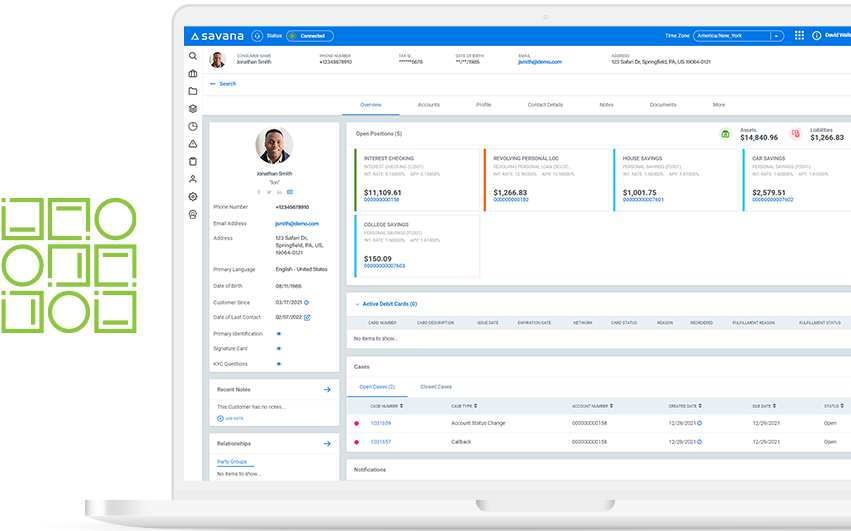
A glimpse at Savana’s service management dashboard. Image Credits: Savana

More specifically, Savana attempts to decouple third-party components of banking systems and abstract them into APIs that encapsulate not only the components, but also the rules, workflows, automations and integrations required to perform business tasks. The APIs serve as a library of customer and account servicing functions that are reusable and complementary to Savana’s enterprise content management system, a repository of a bank’s content related to customers and accounts. Beyond this, Savana offers a low-code UI framework to build internal and customer-facing apps that interface with the aforementioned APIs.

“Through pre-configured processes and integrations, [bankers using Savana] gain a real-time, holistic view of all customer accounts, cards, communications, and more, while customers benefit from better, more personalized service,” Sanchez continued. “It eliminates process silos by automating processes between systems and people and eliminates the need for multiple, siloed vendors. [The] turnkey, end-to-end platform is pre-configured with hundreds of APIs enabled.”

Of course, Savana doesn’t stand alone in the market for banking modernization tools. Amount recently raised $99 million at an over $1 billion valuation for its suite aimed at helping banks better compete with fintech companies. There’s also MANTL and Bankjoy, two startups developing technology to make it easier for people to open accounts digitally at community banks and credit unions. One fintech that competes almost directly with Savana is London-based 10x Future Technologies, which helps larger, established banks build both next-generation services and tools to help their older services work more efficiently.

The competition is likely to grow fiercer as economic headwinds reach gale force. Deloitte reported last week that fintech investment decreased to $52.9 billion in H1 2022, down 24% from $69.6 billion in H1 2021. Bank tech vendors in particular suffered, observing a 14% decrease in the first half of 2022 compared to the same period last year.

But Sanchez isn’t concerned — even despite Savana’s relatively small customer base of about 10 client banks and fintechs. Sanchez said that “a number of entities” will go live with Savana between now and the end of 2022, although he wouldn’t say how many — or what to expect on the revenue front. 

Savana’s digital delivery platform is the first and only technology solution to help banks overcome the operational challenges of meeting evolving customer expectations,” Sanchez boldly claimed. “The banking industry is going through incredible transformation. Digital banking is quickly evolving from just being defined by a consumer mobile banking app, to an end-to-end digitally enabled enterprise. Getting all the right pieces in place from the core to the customer is the new imperative for banks aspiring to be digital banking enterprises.”

Regardless of the strength of Savana’s platform, it’ll have to contend like any vendor with the challenges that banks face in implementing new technologies. According to a study by the Monetary Authority of Singapore, it takes six to eight months for a bank to research, vet and develop a prototype with a fintech. One of the biggest obstacles holding banks back is the upfront investment in technology — Forbes reports that it can amount to 10% of a bank’s annual expenditure.

Savana

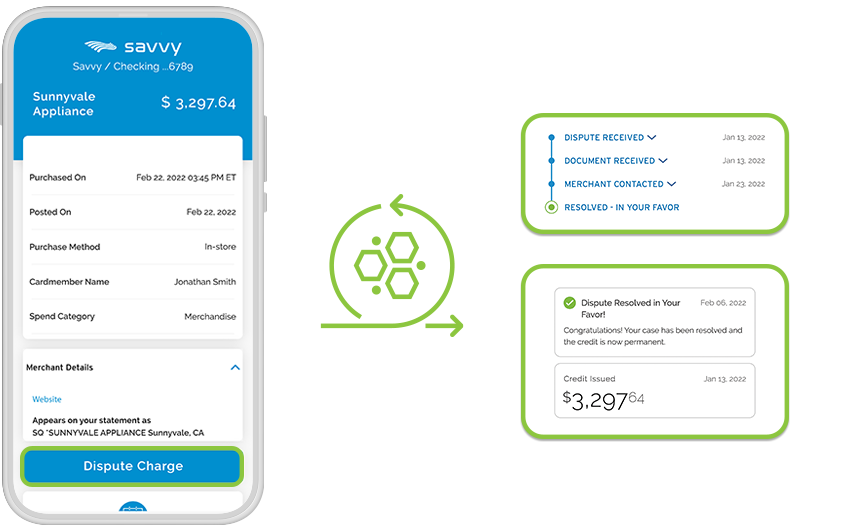
Resolving chargebacks and other disputes through the Savana platform. Image Credits: Savana

Sanchez argues that Savana has an advantage in its experience building digital systems for banks and financial institutions. For instance, Mike Wolfel, the company’s president and CTO, formerly led the design of process automation systems across mortgage origination and serving, corporate administration and finance as a consultant.

Many of Savana’s competitors have experts in finance among their ranks, too. But — broadly speaking — there might be something to Sanchez’s point. One poll of financial services executives found 70% believe a lack of skills or insufficient training remains the biggest barrier to a new digital initiative within their organization. In other words, outsourcing remains appealing.

“According to the Digital-First Banking Tracker, nearly 50% of today’s consumers prefer digital-only banking,” Sanchez said. “It will be essential for banks to upgrade their technology infrastructure to meet … evolving expectations. Ensuring a frictionless customer experience will be the difference between the banks that thrive and those that do not survive.”

To date, Savana has raised $54.2 million in capital. (The company previously closed a seed round in April 2010 and a small venture round in February 2020; the Series A is its first round since the latter.) Its headcount stands at 200, which Sanchez expects will grow to nearly 400 people by the end of the year.


Innoviz lidar will be on all VW vehicles with automated driving capabilities

Israeli lidar startup Innoviz will supply its lidar sensors and perception software to all vehicles with automated driving capabilities within Volkswagen group brands, the company said Tuesday.

Innoviz will work directly with Cariad SE, VW’s automotive software company, to integrate its technology into upcoming VW vehicles.

The partnership with VW is Innoviz’s third design win with a Tier 1 supplier. In April, BMW revealed that Innoviz’s lidar would be on the 2023 BMW i7 electric vehicles, and in May last year, Innoviz was selected by another unnamed Tier 1 automotive supplier for its autonomous shuttle program.

VW hasn’t yet revealed which models will first be built with Innoviz’s tech, but the automaker has been making several moves towards boosting its advanced driver assistance systems (ADAS) and autonomous driving capabilities. Earlier this year, Cariad and Bosch teamed up to develop software for automated driving for use in VW’s cars, and in May, VW chose Qualcomm’s Snapdragon Ride platform to power its ADAS and automated driving.

Innoviz says the VW program, which brings with it a forward-looking order book of $4 billion, takes the startup’s total estimated sales up to $6.6 billion.

Innoviz says it is able to achieve a high level of performance, up to 300 meters of visual range, at a low cost using a 905 nanometer (nm) laser. Velodyne, a lidar rival, also uses a 905 nm laser and claims to be able to reach up to 300 meters of range. However, Velodyne’s highest performance lidar is 128 lines at up to 20 frames per second. To compare, Innoviz has 600 lines at up to 20 frames per second, the company says.

Keilaf claims Velodyne’s products are priced in the thousands of dollars, whereas Innoviz’s is priced in the hundreds. TechCrunch was unable to confirm costs with Velodyne.

“What really sets Innoviz, and this deal, apart is that we won the deal as a Tier 1 supplier,” Keilaf told TechCrunch. “Innoviz is the only lidar manufacturer to have achieved this designation. This signals a major shift—not just for Innoviz, but for the entire automotive industry—in the way that carmakers partner with their tech providers. As a Tier 1 supplier, we benefit from direct access to OEMs, as well as increased margins and profits.”


Emitrr raises $4 million to expand its automation offering for local businesses

Large-scale and mid-sized enterprises and businesses are increasingly adopting — and offering — software-as-a-service platforms as they seek to increase their revenue and parlay their growth into greater efficiency. Now a young startup, Emitrr, is aiming to bring the benefits of this model to small and local businesses in the U.S. Emitrr claims to help small businesses by automating tasks such as appointment reminders and review generations. On Tuesday, the startup, led by two Indian co-founders, announced that it raised $4 million in a Pre-Series A round to widen its automation solution in the U.S. market.

Bengaluru-headquartered Chiratae Ventures led Emitrr’s funding round, which also drew participation from Venture Highway, FortyTwo VC and Axilor Ventures.

“We essentially are an automation software like a business text messaging software and an automation software for local businesses in the U.S.,” said Anmol Oberoi, founder of Emitrr, in an interview with TechCrunch.

Emitrr, founded by Oberoi and his partner Pulkit Gambhir in December 2020, claims that that over 150 local businesses in the U.S. use its platform. These businesses range from single-location healthcare practices to multi-location home service companies. The startup also has some small business clients in Australia and Canada.

Anmol Oberoi, Pulkit Gambhir, Emitrr

Anmol Oberoi (left) and Pulkit Gambhir (right)

The Delaware-based startup is catering to the global markets and has no customers in India, but it employs a team of 25 people — most of whom work remotely from tier-two and tier-three cities — in the South Asian market.

Emitrr works with over a thousand of vertical CRM platforms that local companies often use to solve customer management operations. Oberoi said that Emitrr has so far built seven to eight different automation models that work over the short messaging service (SMS).

Local healthcare centers, dentists and home service providers can use these automation models to send their customers appointment reminders and follow-ups on services for feedback and reviews. Oberoi told TechCrunch that while Emitrr is targeting healthcare and home services heavily, it has started getting customers from real estate, salons, restaurants and other different verticals.

It’s remarkable that Emitrr is using traditional text messages over WhatsApp for its tasks. Oberoi said that people in many markets including the U.S., Australia and Canada still prefer to use SMSs over any third-party offerings, but added that it’s within reach for the startup to quickly adopt WhatsApp or any other instant messaging service onto the platform.


Emitrr

Emitrr brings automation to business communication

“Our platform can be used by any local business in the world,” he said. “We automate the tasks performed by receptionists that sit in the dental office and the front desk executive that sits in the restaurant.”

Since Emitrr sends and receives messages to customers directly from businesses, it often processes sensitive information. Oberoi said that there is system-wide encryption to ensure the security and safety of data the platform processes.

“Both our inbound and outbound text messages are completely encrypted,” he said. The company also complies with the Health Insurance Portability and Accountability Act of 1996 (HIPAA) to protect sensitive patient health information from being disclosed without the patient’s consent or knowledge.

“We have a single tenant architecture, so if a compromise happens, even in that case, the compromise will just happen for one customer — not for the hundreds of customers we have,” Oberoi said.

Emitrr is not alone in selling automation platforms for business communication. Companies including Weave and Podium operate in the same space and are targeting small businesses.

Oberoi claimed that Emitrr has a cost advantage over the competition and can identify many problems that its key competitors are not solving in the market. “Primarily, it’s the product and support which is where we can take away customers from Weave and Podium,” he said.

With the fresh funding, Emitrr is planning to deepen the platform to expand its range of automation and solve 15 to 20 problems for small businesses. It also aims to double down on its go-to-market motion.

“Pulkit and Anmol bring deep domain knowledge and we are glad to partner with them in their growth journey of building and offering real-world applicability and practical use cases solutions,” said Venkatesh Peddi, Managing Director and Partner, Chiratae Ventures, in a statement.

Prior to the new round, Emitrr had raised about $495,000 from Venture Highway, Axilor Ventures and some angel investors.

“Small and local businesses like your local dentist or a parlor, in the U.S. and across the world have a unique set of challenges, including the lack or very low digitization of customer-facing workflows,” said Samir Sood, Founding Partner, Venture Highway. “The ability to maintain high service standards at low to no human touch, in the background of expensive labor, is a key problem waiting to be solved. The founders have unique insights on the space and have a clear vision on how to productize the entire customer-facing journey and elevate the customer experience for these businesses — Emitrr is building a ‘go-to’ solution,” Sood said.


Monday, August 1, 2022

Public tech’s espresso shot is quite literally the Cloud

Hello and welcome back to Equity, a podcast about the business of startups, where we unpack the numbers and nuance behind the headlines.

Last week we said that you needed to pay attention to the public markets, and we weren’t kidding. It was a huge week for earnings — with notes from all over, including the ad market and cloud spend. But this week’s Monday show was more than just another entry in the series — it was an experimental live show! Natasha joined Alex for the fun, and this is what they got into:

So, what’d you think? Should we go live again? Next time with Equity-themed espresso cups that no one can enjoy other than us? Let us know, and don’t worry, the Equity team is back on Wednesday with a smashing bootstrapping show.

Equity drops every Monday at 7 a.m. PDT and Wednesday and Friday at 6 a.m. PDT, so subscribe to us on Apple Podcasts, Overcast, Spotify and all the casts.


Daily Crunch: Did Bolt Mobility bolt? The startup left equipment and confused customers in its wake

To get a roundup of TechCrunch’s biggest and most important stories delivered to your inbox every day at 3 p.m. PDT, subscribe here.

Monday is here, and we are excited to throw ourselves into another week of summertime tech news. Apropos summer — as the VCs stop answering their phones in favor of drinking elderflower lime martinis, playing pickleball, spelunking in the Bitcoin mines, and kite surfing (I can only assume that’s what VCs do for their summer break), it gives us tech reporters a bit more time to go deeper on some of the stories and companies that have been itching our curiosity nerve.

In my distant past as a startup founder, long before I became a writer at TechCrunch, exhibiting at TechCrunch Disrupt turned out to be a huge moment for my first startup. As an early-stage startup founder, you know that the hustle is part of the game; if your company doesn’t have the budget to attend, you can apply to be a volunteer and attend that way. Don’t miss the volunteer FAQ to see if this is a good option for you!  — Haje

The TechCrunch Top 3

Startups and VC

The regulatory environment surrounding crypto is shifting in the US as the SEC takes aim at major players in the web3 world, promising to shake up business as usual with aggressive action. David Nage discusses how regulatory scrutiny is impacting venture investment in web3. It’s a great conversation with Lucas and Anita on this week’s episode of Chain Reaction, for you podcast fans!

Oui Capital, an Africa-focused VC firm based in Lagos and Massachusetts, announced today that it has completed the first closing of its $30 million second fund, Tage reports. The firm seeks to strengthen its presence on the continent.

More more more:

Build a solid deck for your quarterly board meetings

Conceptual still life with low risk and rising; build a deck for board meetings

Image Credits: Hiroshi Watanabe (opens in a new window) / Getty Images

Board meetings are great for getting feedback on your progress and your plans for the future, but what’s the best way to tell them what’s going on?

According to Ridge Ventures partner Yousuf Khan, often the best and simplest way to “ensure you’re providing board members with the information they want to see is to just ask them.”

“Reaching out to your board not only helps provide a sense of direction, it also gives you the opportunity to build your relationship. People appreciate the opportunity to weigh in,” he says.

Khan also lays out seven tips for building a presentation to give your board updates on your progress, plans, the product and financials.

(TechCrunch+ is our membership program, which helps founders and startup teams get ahead. You can sign up here.)

Big Tech Inc.

Hyundai is considering acquiring the South Korea–based lidar-free autonomous mobility platform 42dot. A spokesperson of 42dot told Kate that the startup is in talks, but cautioned that terms, including stake size and deal valuation, haven’t materialized yet.

In one of the head-scratchiest moves in a while, Spotify announced it will introduce a Play button and a Shuffle button at the top of albums’ playlists to make it easier to play the music the way you like, Sarah reports. Plot twist: the separate buttons are only available to paid subscribers. As Sarah concludes, “Streamers may be disappointed to find out that what should be an app update in favor of better usability is oddly being sold to them as a reason to upgrade.”

A few more:


The disappearance of Bolt Mobility shows how corrosive depreciation can be for IRL startups

With the apparent demise of Bolt Mobility, the divide between technology businesses and those that are merely tech-enabled is back at the forefront of our minds. Once a key point of discussion when the IPO market was alive, today we’re sifting through what is left of the micromobility sector, now freshly depopulated to a new local maximum.

Not every great product makes for a good business. Renting fashion? Great idea, lovely product, fun service. But as Rent the Runway has demonstrated during its life as a public company, making something that people want is not always enough to cement long-term value.


5 tips for scaling your green startup during a funding drought

When it rains, it pours. The dampened outlook for startup funding at the start of 2022 thanks to the pandemic’s lingering uncertainties has only worsened following a global market downturn and the war in Ukraine.

CB Insights forecasts a roughly 20% drop in total VC investments from Q1 to Q2, leaving ambitious young companies scrambling to fight for scraps.

This slump is a particularly unpleasant setback for entrepreneurs hoping to advance climate-focused principles and social change. It’s becoming increasingly difficult for green companies to raise money for large-scale innovative projects, mainly because most investors still associate “having an impact” with high risk.

More than ever, green startups now need to refine their strategies for raising VC money during the scaling stage, especially when they begin assessing their defining values vis-a-vis their finances. Whether it’s dedicated impact funds or value-based venture capital firms, funders tend to back companies that have demonstrated their ability to scale.

Due diligence is not about checking off boxes or completing paperwork; it’s about creating long-lasting value for you, the portfolio company.

Here are five things green founders should remember when seeking VC funding at this moment.

When it becomes repeatable, you can scale it

Remember the point at which you raised your initial funding? You probably presented a minimum viable product and initial consumer research, and were backed for that.

But the investor climate has changed, and now your business must, too. The next phase isn’t about proving your concept or telling your inspiring founder story — it’s about growing your existing business, attracting new customers and customer segments, and entering new geographies.

All the while, you must show potential investors why they should commit their fiercely coveted money to your scaling efforts.


Concert Bio lands seed round to fix hydroponic farming’s ‘dirty secret’

If the world wants to feed 10 billion people in 2050, it’ll need to find a better way to grow food.

Today, about half the world’s habitable land is devoted to agriculture, yet even that amount can’t provide everyone with the sort of diet enjoyed by people in developed countries. If everyone wanted to eat like Americans, we’d need to farm about 140% of the world’s habitable land.

That’s obviously not possible. The other option is to radically boost the amount of food that each acre of land can produce. While agriculture has made impressive strides over the last several decades, tripling production seems like a stretch. One solution is to skip the soil and grow crops hydroponically in greenhouses.

Hydroponic agriculture has a lot of potential — yields for lettuce, for example, can be 10 times higher than traditional farming — but it’s not without its problems. For one, it requires a lot of energy. But that’s relatively easy to solve compared with the industry’s other challenges.

“It’s a bit of a dirty secret that the industry doesn’t really like to talk about, but they have very bad disease outbreaks,” said Paul Rutten, founder and CEO of Concert Bio, a microbiome company focusing on the space.

If the wrong bacteria or fungi get inside a hydroponic greenhouse, “it’s open season – it will just take over the whole thing,” Rutten said. “It’s one big interconnected water loop, so it doesn’t go badly wrong — it goes catastrophically wrong. Everything will just die, basically.”

Rutten and his colleagues at Concert Bio are developing a system to monitor and eventually tweak the microbial ecosystem that lives within hydroponic systems. The team has landed a $1.7 million oversubscribed seed round led by The Venture Collective with strategic investments from Nucleus Capital, Ponderosa Ventures, TET Ventures, Day One Ventures, and Possible Ventures. A handful of angels also contributed.


The Station: Rivian trims its workforce and a supply chain-tainted earnings season begins

The Station is a weekly newsletter dedicated to all things transportation. Sign up here — just click The Station — to receive it every weekend in your inbox.

Welcome back to The Station, your central hub for all past, present and future means of moving people and packages from Point A to Point B.

Listen up founders! In a few months, TC Disrupt will kick off at the Moscone Center in San Francisco. This annual flagship event, in which hundreds of founders have pitched their startups on our stage, is back in person. So, here is a chance to participate.

Startup Battlefield 200 applications are closing soon. Apply today to join Startup Battlefield 200 for the chance to exhibit your startup for free at TechCrunch Disrupt this October and win the $100K equity-free prize. Applications close August 5. Apply today.

Next week, Rebecca Bellan will be taking over the whole newsletter show. Give her some love — aka tips and suggestions — by sending an email to rebecca.techcrunch@gmail.com.

You can also email me at kirsten.korosec@techcrunch.com to share thoughts, criticisms, opinions, or tips. You also can send a direct message to @kirstenkorosec

Micromobbin’

the station scooter1a

Supply chain constraints are not just hitting the automotive world. Micromobility is feeling the pain as well.

I reached out to about 20 companies building electric scooters and bikes, and most of them told me the same thing: Getting critical parts, like motors, out of China is becoming increasingly difficult, and Russia’s war against Ukraine is making supplies like nickel expensive and hard to source. The result? More companies are trying to get at least final assembly as close to the end consumer as possible.

Watch this space. We might begin to see new factories cropping up in Europe and North America, which will empower some economies even as others suffer.

In other news …

Arcimoto unveiled an electric tilting e-trike, which it calls the Cybertrike edition of its Mean Lean Machine, this week.

Dott brought in €32M in 2021, with about 19 million rides in 29 cities.

HumanForest did a marketing thing with dating app Bumble that was actually kind of cute. It gave people on Bumble access to 30 minutes of free riding to encourage people to try an active, outdoor date. 

TC’s very own Haje Jan Kamps tried out a prototype of the Nimbus three-wheeled, mini-EV. While it was a rickety little thing that is clearly not at all ready for public use, the vehicle has got real gumption, and Haje, like me, really wants to love it. Fingers crossed this company pulls off its final design when the time comes. 

Okai is launching a new fat-tire, off-road e-bike that can ride for 45 miles on dirt or road. 

Shell is making e-scooters and battery banks, I guess. Yes, Shell, the gas company that has helped us pollute the universe for over a century. 

Tier has introduced e-bikes to Ealing, in London, adding onto its existing e-scooter trial there. First time riders can get two free unlocks and 20 minutes of free riding using the code ‘EALINGTIER’ on the app.

A few words on bike lanes… 

A new study bike lanes increase sales of local businesses because they make the streets safer places for pedestrians, which increases foot traffic, so THERE! Shop owners should stop complaining to their local transportation authorities when parking spots get repurposed for bike lanes. The end.

Rutgers University researchers are using VR to help determine the feasibility of pop-up bike lanes in New Jersey.

Meanwhile in New York City, a bill is being considered to install bike lane cameras to catch when drivers park up in the bike lane and fine them $50. We love to see tech helping bikers stay safe.

— Rebecca Bellan

A little bird

blinky cat bird green

We hear things and we share the tidbits that we can verify.

We’ve been hearing rumblings for awhile that not all is right over at Helbiz, including that it was late paying employees in at least two offices – one in the U.S. and one in Serbia. The late U.S. payment was only about four days late, but Serbian workers were waiting on June pay until the second week of July.

This wasn’t the first time Helbiz was late to pay employees. In early April, the operator missed payroll for U.S. employees, blaming a software glitch. A former employee told us Helbiz also missed payroll in Serbia in December 2020, with employees not seeing a check until February 2021.

It seems the issues extend beyond late paychecks. Sources tell us that scooter supply shipments are also chronically late and complain the company is unstructured, causing issues in throughout the organization.

It’s certainly troubling, especially given the company’s plan to acquire another U.S.-based scooter operator, Wheels. If you recall from last week, we reported that Wheels employees are being furloughed. Back in late May/early June, Wheels furloughed “at least 10 people” according to one source.

— Rebecca Bellan

Deal of the week

money the station

After lots of back and forth, the JetBlue-Spirit Airlines deal actually happened.

The respective boards at JetBlue Airways and Spirit Airlines approved a merger agreement at a diluted equity valuation of $3.8 billion. JetBlue will acquire Spirit for $33.50 per share in cash, including a prepayment of $2.50 per share in cash payable upon Spirit stockholders’ approval of the transaction.

The deal faces scrutiny from the Justice Department. But if it closes, it will create the fifth-largest airline in the United States.

Other deals this week ….

Drover AI, the startup that really popularized using camera-based computer vision systems to stop scooter riders from riding all over the sidewalk, has closed a $5.4 million Series A.

Everrati, EV conversion startup, has landed an investment from former Nest CEO Matt Rogers, the Verge reported.

General Motors sold $2.25 billion worth of green bonds — at first for the automaker, Bloomberg reported.

Koenigsegg, the hypercar company, invested as undisclosed amount into Lightyear, the Netherlands-based startup developing a solar vehicle that is expected to go into production this fall.

Next.e.GO Mobile, the German manufacturer of compact EVs, is going public through a merger with blank-check company Athena Consumer Acquisition Company at $913 million valuation that includes debt.

Polymath Robotics, a new startup that came out of stealth and is part of the Y Combinator Summer 2022 cohort, has landed a number of high-profile angel investors, including Catapult Ventures managing director Darren Liccardo, Thursday Ventures general partner Matt Sweeney, Cruise co-founder and CEO Kyle Vogt and Oliver Cameron, the former co-founder and CEO of Voyage who is now at Cruise. (Polymath didn’t disclose the total amount of funding). Stefan Seltz-Axmacher, co-founder and CEO of Polymath is a familiar to the AV industry ecosystem. He previously co-founded and led the now shuttered Starsky Robotics.

Notable reads and other tidbits

Autonomous vehicles

Cruise has sent two of its autonomous Chevrolet Bolt electric vehicles to Dubai to begin mapping the city in preparation for a planned launch in 2023, according to Dubai’s Roads and Transport Authority.

Kodiak Robotics completed a commercial run between Texas, California and Florida for 10 Roads Express, as part of a pilot program with the USPS mail carrier.

Electric vehicles & batteries

Apple has hired Luigi Taraborrelli, a 20-year veteran of supercar maker Lamborghini, to work on the tech company’s not-so-secret electric autonomous vehicle program, Bloomberg reported.

Ars Technica released a guide to EV charging.

Bentley Motors has delayed its first EV.

General Motors launched a program and digital platform called EV Live to educate car shoppers about EVs and target first-time buyers, as the automaker searches for ways to catch up to and outpace rival Tesla.

Faraday Future is faltering— again. The company said in a regulatory filing that it has delayed production of its FF91 flagship electric vehicle due to lack of money and supply chain issues.

Rivian started laying off about 6% of its workforce (about 900 people) as part of a restructuring plan, according to an internal email from founder and CEO RJ Scaringe (and viewed by TechCrunch.) The layoffs are hitting every department with one major exception — manufacturing operations at its Normal, Illinois factory.

Sono Motors’ solar EV is finally here! Well, sort of; there’s the sticky business of production to contend with. The startup unveiled the final production design of the vehicle as well as a solar bus kit, a new product that is a series of solar panels designed to be retrofitted onto 12-meter public buses.

TechCrunch’s Tim de Chant takes a deep dive into the 725-page Manchin-Schumer bill, which includes some EV transportation spending. He also wrote up another TC+ (subscription) article examining whether VW’s new CEO will hamstring its EV push?

U.S. Department of Energy revived an old loan program and its first recipient is the joint battery venture between GM and LG Energy Solution, which received a $2.5 billion loan from the agency to help it finance the construction of new lithium-ion battery cell manufacturing facilities.

Ford released the law enforcement version of its all-electric F-150 Lightning truck.

Earnings

The big three U.S. automakers reported earnings this week and the big themes that repeatedly came up were inflation, supply chain issues, China and EVs.

General Motors kicked things off with a rather dismal Q2 report that saw profits fall 40% year over year to $1.69 billion. The culprit? GM blamed its weak performance on a drop in North American production due to supply chain disruptions and semiconductor chip shortages that caused bottlenecks at its factories. And let’s not forget the pandemic-related factory shutdowns in China.

Another tidbit: GM’s self-driving subsidiary Cruise is burning through cash with expenses hitting around $550 million compared to $332 million during the same quarter of last year. Operating losses topped $605 million, up from $363 million last year. The increase in cost can be attributed to a headcount increase from revving up Cruise’s robotaxi service, as well as a change in the compensation expense, according to CEO Kyle Vogt.

Ford also saw losses in China, but gains in other regions helped the automaker bring in $40.2 billion in revenue, a 50% increase from the same period last year and an adjusted operating income that tripled to $3.7 billion.

Spotify announced during its second-quarter earnings call that it has stopped manufacturing “Car Thing,” the company’s in-vehicle device for controlling music.

Future of flight

Urban Movement Labs in Los Angeles is partnering with South Korea’s Institute of Aerospace Industry-Academia Collaboration (IAIAC) to explore research opportunities around air mobility planning and integration. IAIAC is working to integrate advanced air mobility within the Incheon metro region.

People

Bosch is reorganizing its Mobility Solutions business sector, which will now be headed up by Markus Heyn.

Hyundai Motor North America promoted Randy Parker to be CEO of Hyundai Motor America effective August 1.

Lyten, an advanced materials company developing lithium-sulfur batteries and other high-performance product, hired Celina Mikolajczak as chief battery technology officer.

Ride-hailing

Uber is expanding its ‘Comfort Electric’ product, which is basically just all-electric Uber rides, to seven additional cities, including Las Vegas, Seattle, Portland, Denver, Austin, Philly and Baltimore. Uber originally launched the luxurious EV service in May in San Francisco, San Diego and Los Angeles.

Also in Uber news, the ride-hail giant apparently does not have to provide a wheelchair-accessible service in every market, a judge rules. This just a week or so after Uber settled a lawsuit from the DOJ for allegedly overcharging disabled riders.


What will it take to reignite the NFT market?

With July now behind us, we have a full month of trading data from the NFT market to digest. The numbers are mixed. While there are some positive signals from the non-fungible token market that matter, others are decidedly negative. Trading continues, but at what appears to be a far slower pace.

For companies in the NFT space, the news is likely unwelcome. The larger blockchain world is in a period of correction, but to see key NFT market metrics fall as quickly as we have makes us wonder what could reignite demand. It seemed doubtful that the period of hype that gave us endless Bored Ape derivatives would last forever. But what’s next?


The Exchange explores startups, markets and money.

Read it every morning on TechCrunch+ or get The Exchange newsletter every Saturday.


Let’s peek at the July data and then dive into what could return NFTs to prominence. After all, NFT trading has risen a few times during the first decade-plus of the blockchain era — such as it is — so surely it can rise again?

Subscribe to TechCrunch+

To start, we’ll check in on the market-leading OpenSea, and then we’ll add in other NFT marketplaces to get a good vibe for the non-fungible token market. After that, we’ll theorize some ideas that could make NFTs less uncool again. To work!

A lackluster July

The overall direction of NFT trading volume has been negative for some time, as the following chart from The Block and CryptoSlam makes clear:


Hyundai Motor eyes acquisition of Korean lidar-free self-driving startup 42dot

Hyundai Motor is considering increasing its stake in, or fully acquiring, the South Korea-based lidar-free autonomous mobility platform 42dot, the latest signal of its growing interest in the fast-growing space.

A spokesperson of 42dot told TechCrunch that the startup is in talks with Hyundai Motor, but cautioned that terms including stake size and deal valuation hadn’t materialized yet. Hyundai Motor did not immediately respond to requests for comments.

Hyundai currently owns a 20.4% stake in the three-year-old startup, whereas 42dot’s co-founder and chief executive Chang-Hyeon Song, who interestingly also leads the transportation-as-a-service (TaaS) team at Hyundai Motor, held a 36.19% stake as of December 2021, according to 42dot’s regulatory filing. The rest is owned by venture capital firms and strategic investors, including LG Electronics, SK Telecom, Lotte Rental, CJ Logistics and LIG Nex1.

The ongoing deliberation signals Hyundai Motor’s accelerating efforts to strengthen its autonomous driving technology that is in line with the Korean automaker’s grand plan to invest $79 billion (95.5 trillion WON) through 2030 into autonomous driving software technology and electric vehicle-related businesses. Hyundai Motor, which has said it aims to secure 7% of the global electric vehicle market by 2030, earmarked $9.2 billion (12 trillion WON) for connectivity and autonomous driving software investment.

The news comes nearly nine months after 42dot raised $88.5 million in its Series A financing round at a valuation of about $425 million to accelerate its TaaS service and urban mobility operation system (UMOS).

South Korean local media Korean Economic Daily first reported the news, citing anonymous sources, that Hyundai is in talks to invest at least 400 billion WON (~$306.4 million) in 42dot. According to the newspaper, Hyundai approached 42dot for the acquisition in June. The proposed deal could be completed this month, the paper said.

Founded in 2019 by former Apple, Microsoft and Naver alum Song, 42dot has developed Akit, a self-driving software and hardware solution, and TAP, an autonomous mobility and logistics platform that offers a number of services across ride-hailing, fleet management, demand-responsive transport, smart logistics and more.


5 investors discuss what’s in store for venture debt following SVB’s collapse

There are many questions around the implications of Silicon Valley Bank’s (SVB) collapse that won’t be answered for a long time. But there’s...