Wednesday, February 2, 2022

Anthony Levandowski’s latest moonshot is a peer-to-peer telecom network powered by cryptocurrency

A new mobile data network — accompanied by the quinfecta of a website, Medium post, white paper, dedicated subreddit and Discord channel —  quietly launched late Tuesday evening in San Francisco, promising a new way to exchange data anonymously and at high speeds without relying on legacy carriers, and at a cheaper price. The peer-to-peer open source wireless network called Pollen Mobile will incentivize its users with cryptocurrency to run their own mini cell towers and build out the network’s coverage in the Bay Area where the service is initially launching.

Anthony Levandowski’s autonomous vehicle technology startup Pronto AI is launching the project. Levandowski, a polarizing, early pioneer in the autonomous vehicle industry, was pardoned last year by former President Donald Trump after being sentenced to 18 months in prison on one count of stealing trade secrets.

Why is an autonomous vehicle startup creating a decentralized telecom incentivized by cryptocurrency? The catalyst of Pollen Mobile stemmed from Pronto’s need for reliable, affordable mobile connectivity for its autonomous vehicles, Levandowski, who is still CEO of Pronto, told TechCrunch in a text message conversation. Pronto has been using Pollen internally for its AVs for months.

“The reason why is simple, we needed reliable, affordable mobile connectivity for our AVs and we couldn’t find it,” he wrote. “So we built our own and realized it could be something others want.” He added later: “Necessity is the mother of invention.”

The distributed Pollen Mobile network, which plans to begin its initial launch in the coming days, relies on a network of data transmitters it somewhat oddly calls flowers, bumblebees and hummingbirds — code for radio towers, connectivity validation devices and mobile phones.

An FCC rule change in 2020 allowed the company to build its own cell towers and create mini-mobile networks for the sites where its autonomous vehicles operate, according to its post on Medium.

“We got to thinking about all the other things that people don’t like about existing mobile companies. We saw an opportunity to build something truly revolutionary — something that tackles what we see as the “Four Horsemen” of mobile networks,” the Medium blog post states. These “Four Horsemen” are a lack of privacy and anonymity, poor coverage, high costs and no user voice.”

Small cell towers called “flowers,” which range from the size of a pizza box to up to six feet tall, provide coverage of between a few blocks up to one mile. These flowers are installed by “flower owners” in their homes or offices and connect to the internet and provide coverage to other Pollen users. Flower operators earn PollenCoin (PCN) from the community of users depending on the coverage area, service quality and amount of data transmitted, according to information the company posted on its Discord channel.

Operators pay the upfront cost for the physical data transmitter hardware; the cheapest (and smallest) flower costs $999 while the largest and most powerful transmitter costs more than $10,000. Justifying the high upfront cost means operators taking a leap of faith that the network will succeed and the value of PCN’s fixed supply will increase.

Pollen Mobile

Image Credits: Screenshot/Pollen Mobile

One of the many open questions for the nascent endeavor is how or if ISPs will respond — the distributed network will be piggybacking onto flower operators’ home internet and will be channeling peer-to-peer data through those networks.

The network currently has more than a dozen radio towers operating in the Bay Area, according to the company’s network tracker.

Pollen Mobile will ship smaller devices called “bumblebees” that collect data about the strength of the network’s coverage. These devices, which validate “flower” coverage, are also owned by users and can be placed in their car, drone or bike. Bumblebee owners also earn PCN based on the number of unique coverage validations provided each day.

Finally, there are the “hummingbirds,” which are the mobile devices that use the Pollen network. Phones will require an eSIM download to connect to the network, and other devices like laptops can connect via a special adapter (called “Wings”), the company said. Users pay for connectivity using PCN.

Eventually building out a network of users willing to pay for a data network in its earliest stages will depend on selling the vision of a more anonymous mobile network which doesn’t sell or log customer data. The data-only network also won’t allow for phone calls or SMS messages, and users paying for the service won’t get a phone number.

Pollen has so far been operated internally by Pronto as a subsidiary. Levandowski said it will be turned over to a decentralized autonomous organization, or eDAO, and run independently from there. The organization will eventually govern how the network evolves and dictate how and where users are incentivized to build out coverage.

“We’re not controlling where flowers go,” Levandowksi told TechCrunch. “We designed the network so that the community and market forces will determine where rewards flow.”




Travel experiences app Headout survives the Omicron surge, grabs $30M more in funding

Though the Covid-19 pandemic almost immediately devasted the business of travel booking startup Headout, the company has been able to return to growth as domestic travel rebounded in recent months. The service, which helps consumers book tours, events, and other experiences and activities in cities around the world, delivered 800% growth since January 2021 by catering to domestic travel and local demand, as opposed to international. By July, the startup became EBITDA profitable. And last fall, it closed on $12 million in Series B funding. Now its existing investors have returned to add more capital to Headout’s latest round.

Headout’s new $30 million round was led by prior investor Glade Brook Capital, a firm that’s backed other marketplaces like Airbnb, Uber and Instacart. It’s joined by existing investors Nexus Venture Partners, FJ Labs, and 500 Startups, among others.

“We were not actively raising,” notes Headout co-founder and CEO Varun Khona. “Glade Brook, an investor since September, saw the continued growth that we’ve had and wanted to double down on our investment,” he explains. As a result, Headout received a few more inbound requests, too, and, decided to close on the additional funds. “The terms that were offered and the alignment that we had with them on the long-term vision was so good that it was just very hard to say no,” Khona added.

The company, at this point, has survived challenges that could have otherwise ruined its business.

As Khona said at the time of the original close on the Series B, the early days of the pandemic took Headout’s revenue from over $250 million to “negligible scale” in only a matter of weeks. But instead of closing up shop, the startup pivoted to focus more on domestic travel, catering to people looking to explore their own cities or those nearby. Today, domestic travel accounts for nearly 80% of its business — a flip from its pre-pandemic days.

And now, Headout has successfully navigated the Omicron surge, too.

Image Credits: Headout users 

By November 2021, the company had seen about 10x growth compared with the beginning of the year, Khona told TechCrunch. But that growth slowed in December and January as Omicron spread. Over the past few weeks, however, Headout’s business ramped up yet again as the latest Covid variant began to peak.

Counterintuitively, perhaps, the pandemic no longer fully quells demand for travel experiences, the founder notes. Sometimes, it even inspires it.

“People are sitting on additional cash — and they’re not able to travel internationally — but the desire to travel, to see things, and to do things is as high as it has ever been,” says Khona. “In fact, in some ways, we are noticing that the consumer sentiment or desire to want to spend money and time or experiences is even higher post-Covid,” he shares. “We are now a little bit more aware of the limitations of what life could look like if the things that we love are taken away from us, both in terms of time and access.”

Headout won’t detail its monthly active users, revenue run rate or valuation — it’s just “high hundreds of millions,” Khona says. However, the company will disclose that, so far, 10 million people from over 190 countries have now booked an experience on its platform.

Today, Headout’s marketplace offers travel experience bookings in 50 cities worldwide. It generates revenue by working directly with local service providers to digitize their offerings and provide support for last-minute bookings, priced dynamically. Headout takes a commission on the bookings and is dabbling with the idea of a subscription, which it’s now piloting.

Its customers tend to be young couples or families, as the average booking size is either two to three persons. They also tend to be city-dwellers, fairly educated, and love to travel, of course.

With the additional funds, the startup aims to rapidly grow its business. It plans to expand its service to 500 cities in the next 24 months. And in the near term, Headout will grow its 150-person team by another 200 to 250+ people over the next couple of months by hiring across all roles.

Khona also sees an opportunity in growing the team via acquisitions, noting that there were a lot of travel and entertainment startups out there that didn’t have the capital to survive the pandemic, but have a lot of great talent.

“We’re very keen to look at that and we already are in conversations,” he hints.

On the product side, Headout will use some of the capital to improve the experience both for its partners and consumers. For the former, it’s working on better ways to push out last-minute inventory and tools that would allow a tour to showcase the current live location of the guide for those who wanted to join late, for example. And for Headout users, the company is working on discovery improvements it’s not yet ready to detail.

Despite the planned growth in the months ahead, Khona doesn’t expect to lose much of the new capital.

“Every additional transaction actually improves our bottom line because every transaction on Headout is profitable. Increase in scale equals an increase in our bottom line and our profits,” he says. “We’re not too worried about the burn, per se.”


Sunroom is an alternative creator platform empowering women to cash in

Founded by alums of Hinge and Bumble, Sunroom is a creator platform that throws out the stuff that makes mainstream social media apps such a hostile place for women. And, ideally, it wants to help them get paid in the process.

The app was co-founded by Lucy Mort, former design director at Hinge, and Michelle Battersby, previously a marketing director at Bumble. Sunroom takes the premium monetization model of something like Patreon or OnlyFans and blends it with a social feed, run through a generously Gen Z design filter.

For Mort and Battersby, that’s where the similarities end. Sunroom is designed to provide an alternative to traditional social media apps, one that empowers people who are tired of seeing their content devalued and censored elsewhere.

“We just heard so many stories from mostly women and nonbinary creators who really had a hard time on platforms like TikTok and Instagram with the sorts of content they were doing,” Battersby told TechCrunch.

“Sometimes it was more body-positive content, sometimes they were doing sexual wellness content and Instagram and TikTok just got to the point where they’re heavily, heavily moderating that content… these creators are shadowbanned, their accounts are taken down without notice, they don’t get the same distribution on algorithms that they typically did.”

The app launches today on iOS, stocked with content from a cluster of 100 initial creators who were invited to participate in the launch and monetize their content. The company is also announcing a $3.6 million seed round from investors including Blackbird Ventures, Li Jin, Cyan Banister, Sarah Downey, Peanut CEO & co-founder Michelle Kennedy and Brud co-founder Trevor McFedries.

Michelle Battersby and Lucy Mort

Sunroom co-founders Michelle Battersby and Lucy Mort. Image Credits: Sunroom

Sunroom has a women-first ethos but it was also designed with the non-binary community in mind, and the team worked with non-binary creators to hear what wasn’t working for them on apps like Instagram. The founding team doesn’t rule out opening Sunroom to all creators in the future, but for now it’s laser-focused on its core demographic.

At launch, a quick stroll through Sunroom touches on topics from body positivity to trauma to sex toys — the kind of stuff that’s fraught on mainstream social apps if it’s allowed to exist there at all. To the team’s credit, the health and body content it hosts at launch seems to intentionally veer away from the kind of dangerous weight loss and dieting messaging that makes apps like Instagram such a toxic place for women in particular.

Sunroom is explicitly sex-friendly, a philosophy that’s evident even in its content warnings, which ask users to opt in for “sex-positive or pleasure-positive themes.” The team isn’t trying to make another OnlyFans, but it does hope to lure creators who are tired of dealing with censorship and account bans elsewhere.

“It’s just a deep, deep frustration on the part of our content creators with TikTok and Instagram,” Battersby said. “I think we definitely took that on board and integrated that into our content moderation approach and this is the content that we’re welcoming and celebrating on Sunroom.”

With only 100 people making content at launch, Sunroom has a tiny pool of content to moderate right now — but that’s by design. The team intends to scale slowly and intentionally, an approach that will make hands-on moderation possible. As far as automated tools goes, Sunroom employs anti-screenshot technology to keep content where it’s shared.

“We never want to automate a decision that affects a creator’s paycheck,” Battersby said.

“This is an important part of our values and how we’re going to differentiate ourselves. We’ve set this business up to scale with caution.”

Image Credits: Sunroom

Cashing in

Beyond its values and the fun, feminine aesthetic, Sunroom is all about helping its creators get paid. The team believes that even beyond the other headwinds they face, women and non-binary creators struggle to break down the stigma of making money through their creative work.

“… The problem that a lot of your women and nonbinary creators face is sort of an apprehension around monetization or a fear that they’re going to be judged or labeled as a sellout when they ask to be compensated for their content or their time,” Mort said.

Sunroom tries to make transactions as comfortable as possible with intentional design choices that “abstract away” the money bit to keep things feeling light and playful.

At launch, the app offers creators three revenue streams: monthly subscriptions, tips and reactions (like “cheering” a post using the in-app currency.) Sunroom takes a variable cut of those transactions. The fee will typically be 20 percent, but its founding cluster of creators only pay 10 percent of their earnings and the company thoughtfully offers Black, indigenous and hispanic creators a more equitable 15 percent rate.

Beyond taking a cut of creator revenue, the team is interested in building out personal finance tools, including banking and investment features to help creators leverage the money they earn on the app.

For some creators, Sunroom could be the first place they feel comfortable enough to actually start making money. “The women and nonbinary folks that we’re building for… most of them don’t use a direct audience monetization tool right now,” Battersby said.

Both Mort and Battersby see their experience with dating apps as key perspective for how Sunroom approaches its product. For Mort, that’s solving user pain points with thoughtful design choices. At Hinge that meant creating a product that worked for millennial women who were tired of hookup culture, but at Sunroom it’s all about empowering users to cash in on what they care about. For Battersby, it’s about building something for creators that meets the moment.

“With Bumble, I think what I really witnessed was a product colliding with a social movement — a lot of Bumble’s success and the rise of that platform really came around the time of the Me Too movement and #BelieveWomen,” Battersby said.

“With Sunroom I see great similarities. There is definitely a social movement occuring at the moment, particularly with Gen Z — they’re more sex-positive, they’re more self expressive and I think they’re becoming tired of being silenced or censored online when they speak about issues or causes that are important to them.”


Waldo raises $15 million for its automated mobile testing service

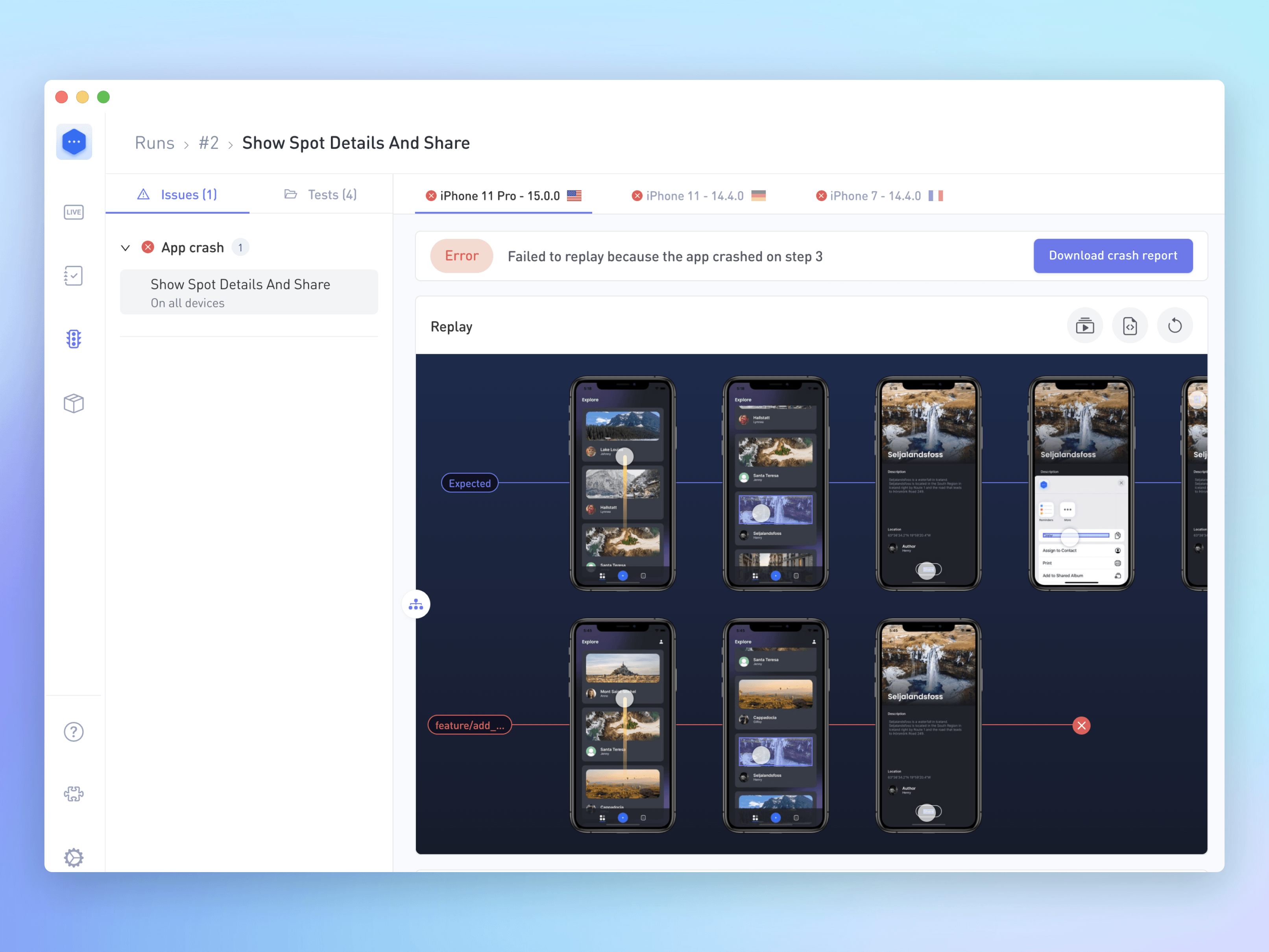
Waldo has raised $15 million for its ‘no code’ automated testing tool. Mobile development teams using Waldo can set up tests without writing a line of scripting code. It then seamlessly integrates in your continuous integration (CI) pipeline.

Joshua Zelman from Insight Partners is leading today’s Series A round with participation from Matrix Partners and First Round Capital. Some business angels are also investing, such as Nicolas Dessaigne, Ben Porterfield, Tyler Gaffney and Keenan Rice. With the new funding, the company wants to hire more people and nail down its go-to-market strategy.

The best way to understand Waldo is by talking about mobile testing first. Small development teams usually rely a lot on real-life testing. They keep several smartphone models and run a development build of their app on those devices. If someone goes wrong, they track the bug and try to fix it.

As your app and team grow, manual testing doesn’t scale that well. You can develop testing scripts, but that’s a tedious task that requires more development time. Either you have a lot of money and you can allocate development time to testing scripts, or your developers will neglect those scripts over time.

Waldo thinks there is a third way. Over the past four years, the startup has built a testing platform that is both easy to set up and easy to maintain. When you start using the product, you upload the app package to the platform — the .ipa or .apk file that you get from your development environment.

After that, Waldo runs your app in a browser window. It’s a live version of your app and you can interact with it just like in a local emulator. For instance, you can tap on buttons, enter a login and password and swipe your finger across the screen.

Waldo records every step of your test. If you choose to use this test in your production environment, then Waldo will go through the same steps and alert you if there’s an issue — if it can’t reach the final step of the test. Tests are triggered directly from your continuous integration workflow, which means that your app is automatically sent to Waldo when you commit some new lines of code to your Git repository.

Image Credits: Waldo

What makes Waldo work well over time is that it understands the screen structure. For instance, you can go back to your test and identify elements of the screen. “Imagine you’re opening the web inspector on a web page and looking at the HTML,” co-founder and CEO Amine Bellakrid told me.

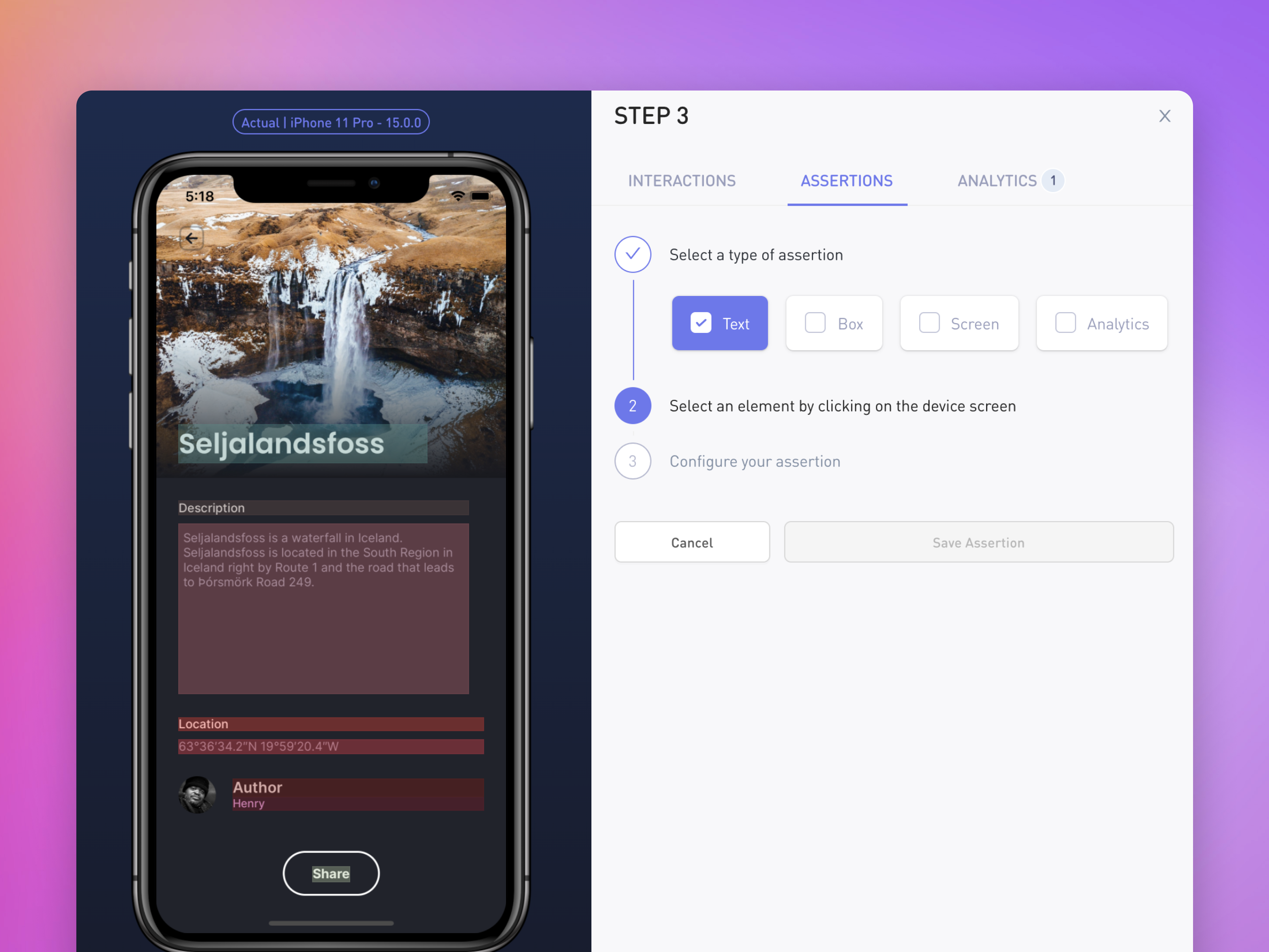
This way, you can say that screen similarity should be above a certain threshold and you can configure some elements manually. For instance, you can select a text box and say that it’s fine if it’s in another language.

Over time, after tweaking your tests so that it passes and fails as expected, you get a real end-to-end testing platform. Waldo doesn’t just look at the user interface, it also interacts with the app and checks analytics events. For instance, if you’re running a Waldo test against your production server, Waldo knows that the server is working fine as you can log in without any issue.

Behind the scenes, the company repackages your app and puts some additional code to extract some information about your app. The company then executes the app on a simulator on a server. Waldo also fetches some information from the emulator.

“Our goal is to be a pipeline breaker, we are the last test before you ship to the App Store,” Bellakrid said. Some customers like Alan don’t have any QA team as they want developers to take care of QA. Others like Lemonade already have QA teams but think they can save time and improve their workflow with a product like Waldo.

“In mobile, speed is what separates winners from losers,” Bellakrid said. And testing has been a bottleneck for many mobile development teams. Once your start chaining Waldo tests, you can cover a lot of testing ground and ship faster.

Image Credits: Waldo


Casava gets $4M pre-seed to make insurance affordable and accessible to Nigerians

African countries are yet to catch up with social security and safety programs commonly used in the West, where the government provides health insurance and unemployment benefits to citizens.

The general perception of insurance on the continent has been bland for years, and its penetration rate, except South Africa, is subpar. Per a  McKinsey study in 2018, Africa’s insurance market stood at a 3% penetration rate; with South Africa excluded, it was 1.12%.

Only 1.9% of its adult population had one form of insurance policy in Nigeria as of 2018. Despite the dire situation, many startups are springing up to broaden insurance coverage across the country.

In the news today is one such company: Casava. The self-described “Nigeria’s first 100% digital insurance company” has raised a $4 million pre-seed round. It’s the largest pre-seed for an African insurtech company and second-largest for a Nigerian startup after Nestcoin, whose round was announced a day before.

Berlin-based Target Global led the pre-seed round, with foreign VCs and angel investors such as Entrée Capital, Oliver Jung, Tom Blomfield, Ed Robinson and Brandon Krieg participating.

The local investors involved are all founders. They include Uche Pedro, Babs Ogundeyi, Musty Mustapha, Shola Akinlade, Olugbenga “GB” Agboola, Honey Ogundeyi and Opeyemi Awoyemi, among others.

Bode Pedro and Olusegun Makinde launched Casava in April 2021. Before starting Casava, Pedro ran VisaCover, an insurance brokerage company, in 2014. The idea for Casava came while VisaCover provided an alternative in the auto insurance market by allowing drivers of Uber, which was one of its partners, to make weekly insurance payments instead of quarterly or yearly payments insurance partners before it operated.

“We saw mass adoption and knew the market needed insurance payments to be broken down. But then we noticed that as brokers, we didn’t have full control about that process and we weren’t giving people the best experience,” Pedro told TechCrunch on a call.

“We knew if we were going to take insurance to the next level, then maybe we need to control that product and be involved in product end-to-end.” 

After the serial entrepreneur exited the insurance brokerage company in 2016, Pedro teamed up with Makinde, an ex-VP at JP Morgan, to build Casava in 2019. The team cruised to get a micro-insurance license and launched fully in 2021 to provide affordable and accessible insurance products to millions of Nigerians.

There are further reasons why insurance has failed to scale in Africa’s largest technological market. First, traditional insurance companies in Nigeria have built their businesses on mandatory insurance for enterprise customers in oil and gas, energy and property. Their unit economics is suited for large and not small transactions, which isn’t necessarily a bad thing, but this way, insurance products can’t get to the mass market. 

But there’s another reason for this low insurance adoption: the preference of instant gratification over long-term benefits. In essence, people prefer to invest in positive rather than adverse outcomes.

“When you wake up, you’re thinking about the positive things that could happen to you. Like how you save money and get interest, you invest and get returns, you work hard and you make money, or you collect bonuses, right?” the chief executive said.

“For insurance, it’s about negative outcomes, which Nigerians and human beings, in general, don’t like to think about. Even if they think about they clear it in their head. So the key to success in insurance is to hack behaviour with your product. How do you make your product attractive?” he queried.

Casava

Image Credits: Casava

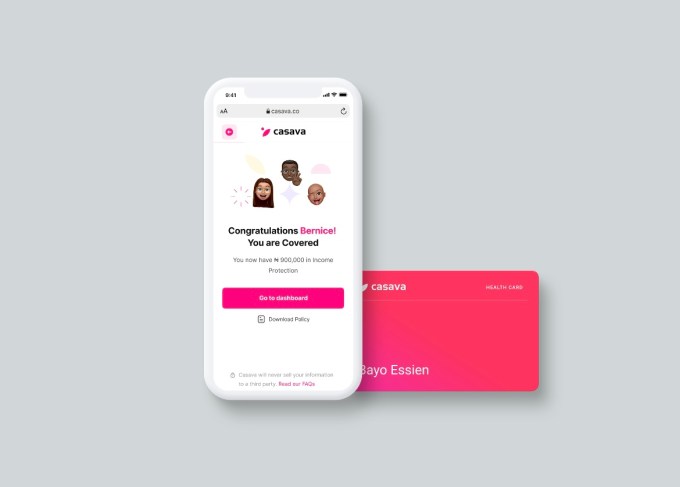
First, when consumers can subscribe to Casava’s insurance products directly via the website, mobile app or WhatsApp, they are given a month-free trial with an option to opt-out should they not like the service. However, should they continue, Pedro said Casava would provide them with value-added services such as executive coaching, telemedicine and job services.

The digital insurance platform currently provides cover for health and job loss. Unlike the former, insurance around job loss is relatively uncommon in Nigeria. There’s undeniably a market for it: 20% of workers in Nigeria lost their jobs because of the pandemic; however, the country’s staggering unemployment rate places so much risk on the insurer.

But it seems Casava has found a way to make it work with its Income Protection product. According to the company, subscribers can insure their income from $1 (~₦500) monthly, and get paid monthly for six months if they lose their job, become sick or disabled.

“It’s been a successful product. We’re scaling it well and people are like, ‘I didn’t even know you could do this.’” We’re seeing workers trying to buy for their employees; even lenders are looking to get their borrowers to buy it.”

Subscribers can also use its Health Insurance product and access more than 1,000 doctors on telemedicine and 900 hospitals across Nigeria. There’s also HealthCash, which lets users get reimbursed when they visit the hospital for specific periods, all for ₦250 (~$0.5) – ₦300($0.6) a month.

Casava works with reinsurance partners who guarantee a refund when claims are paid as a licensed microinsurance underwriter. That’s how it makes revenue asides from profit — off subscription fees. The company says it already has more than 66,000 customers, with $16 million in insurance coverage.


Leading insurance startups across Africa rarely converge at a single offering or market. For instance, Kenya’s Lami and South Africa’s Root provide APIs, health insurance is one of Reliance Health’s products, Ctrl is an insurance marketplace. So Casava, in a way, has had to build its playbook from the ground up (at least in Nigeria; Naspers-backed Naked has a similar platform in South Africa) around holistic insurance products that resonate with the average Nigerian customer. 

The funding will support more product launches from life and travel insurance to home and smartphone insurance. “We have delivery, insurance, logistics, insurance, I mean, it’s fascinating what we’re doing and the idea is that it’s one subscription with flexible payment options,” said the CEO.

He added that Casava would also use the investment for customer acquisition, growth and developing its product and technology stack. The insurtech company plans to work with fintech and digital partners to embed insurance products into their offerings. This way, it hopes to gain access to over 500,000 financial service agents to reach millions of uninsured customers nationwide and keep them out of poverty.

I think that if you have millions of people that are insured, you reduce the situation where people go into poverty. If one is crawling out of poverty and something unfortunate happens, which is almost inevitable, they go back into poverty because they were not insured,” Pedro stated. Right now, only 2 million people have active policies in Nigeria, and if we do what we’re supposed to do, it’s going to be something compelling for Nigerians, and hopefully, Africans.”


Tuesday, February 1, 2022

Daily Crunch: India announces plans for digital rupee, 30% tax on crypto profits

To get a roundup of TechCrunch’s biggest and most important stories delivered to your inbox every day at 3 p.m. PST, subscribe here.

Hello and welcome to Daily Crunch for Tuesday, February 1, 2022! I celebrated the first day of the month by having my internet cut out right as I started to prepare this newsletter for you. Am I panicked at having 1,000 words to produce in the next 38 minutes? Yes! But a lot is going on, so let’s get to work. – Alex

The TechCrunch Top 3.5

  • WTF is a DAO: Often when a new tech term comes into being it has a narrow scope. And, just as often, the term gets diluted down to meaninglessness in rapid fashion. AI. Big Data. Social. You can add to that list. DAOs, or decentralized autonomous organizations, are undergoing a similar issue regarding precision. Thankfully, we have Lucas Matney on hand to dig into how DAOs are being defined by the folks backing them.
  • Crypto investment soars: After a record-setting 2021, the money flowing into the world of blockchain-based companies continued in January. We’ve also seen mega-rounds in the space boost companies like FTX. And one fund – foreshadowing – just announced that it is going to invest a huge chunk of its new capital into the space. Buckle up.
  • Alexis raises new capital: The Reddit co-founder’s Seven Seven Six venture firm just put together its second fund, this time worth $500 million. And as you guessed from the preceding blurb, it’s going to put a lot of that money to work in crypto.
  • But not only crypto: Seven Seven Six also took part in the non-crypto-focused Metafy Series A that we covered today. Tiger was in the mix as well.

Startups/VC

On the subject of new funds, AirTree has put together $700 million AUD for three investment vehicles, or around $493 million USD. As we wrote in our piece dissecting the news, “money is flowing into Australia and New Zealand’s startup ecosystems.” Yes, that’s true in many places, but you might not have anticipated that the Aussies and Kiwis were so deep in the action. They are! (You may have heard of Atlassian, for example.)

Changing gears, our own Ron Miller has a neat piece up on the site reporting that Docker has reached the $50 million ARR mark after retooling its business. Docker had faded somewhat from my brain in the last few years, but that revenue number indicates that we should probably start paying attention once again. There’s no better signal of having a product in-market that people need than the fact that they pay you for it.

From the cash register:

  • WYL raises for LandlordObs: WYL, or Whose Your Landlord, raised seed capital from BlackOps Ventures as it builds out its rental review service into a software product that it sells to folks who own buildings. It’s a neat addition to a company that made it seven years with very little external funding.
  • Metronome wants you to adopt on-demand pricing: The subscription versus. on-demand pricing debate has been happening quietly in the tech world for a few years now. TechCrunch has covered it somewhat extensively, but Metronome shows just how far the matter has progressed. The startup has built a service that helps software companies iterate with on-demand pricing without changing code. That should help more companies at least test the revenue model.
  • Today in good startup names: Pesto! Everyone loves the green sauce that goes well with everything but ice cream and peanut butter. It’s also the name of a startup that is building a “digitally native human workplace where employees can customize an avatar in the workplace.” As a fan of RPG character creators, this vibes with me.
  • Evidence of the tech talent wars: With $10 million in the bank, Free Agency is working on supporting more senior talent to secure the bag in their next job. Negotiating usually pits a single worker against a company, which is a bit one-sided, silly, and often leads to miscommunication and hurt feelings. For high-dollar jobs, why not get some help? Free Agency is betting that this is the future. Let’s see.
  • E-commerce loans are big business: Working capital is a big issue for businesses in every industry, with cash outflows often mistimed compared with cash inflows. The answers vary to the issue, but Wayflyer, an Irish startup, is creating its own method of providing funds to e-commerce companies in a manner that is attracting both customers and venture interest in the nine-figure range.
  • Tiger leads $142M round into RenoRun: Tiger is so fast at putting capital to work that I have not yet even heard of some of the companies that it puts nine figures into. Today, it’s RenoRun, which is not some sort of pathway to a casino, but reno as in renovation. The Canadian construction tech startup has “built an e-commerce platform for construction and building materials,” we report.

And a lot more, including a new enterprise browser that just came out of stealth; neat privacy features from Mozilla, which I suppose still counts as a startup; and Natasha Lomas has a great piece digging into the startups working in the carbon credit space and how they may – or may not – manage to clean up a business that is shadier than you’d like it to be.

How to build and maintain momentum in your fundraising process

pink bowling ball rolling toward pins in bowling alley

Image Credits: ozgurcankaya (opens in a new window) / Getty Images

Capturing investors’ attention isn’t enough when you’re raising money — often, you have to convince them your funding process is efficient and that you’re talking to other investors.

Momentum is key to building this level of interest, writes Nathan Beckord, CEO of Foundersuite.com, and that energy will propel your entire fundraising process.

After opening with a “great hack for asking for email introductions,” Beckord shares five hustle tips for maintaining and capitalizing on momentum that will maximize investor interest and appeal.

(TechCrunch+ is our membership program, which helps founders and startup teams get ahead. You can sign up here.)

Big Tech Inc.

  • Apple’s first local newsletter launches: I did not know it, but Apple is using human editors to compile a daily newsletter for the Bay Area. The project aggregates local news from the Apple News service, notably. As TechCrunch points out, Apple News already has “local news coverage in 11 markets,” meaning that the new product could spread in short order. A replacement for local papers? Nope, just a way to help them get more readership, it appears.
  • Cruise raises $1.35B more, opens robotaxi business more broadly: I suppose Cruise could still be called a startup, but given how much of it is owned by public companies, it’s not really an upstart private company, let’s be honest. Anyway, with north of another billion under its belt, the driverless-taxi company is, per TechCrunch, “opening up its driverless robotaxi service to the public in San Francisco.” I repeat that I hate driving and cannot wait for this revolution to truly crest.

TechCrunch Experts

dc experts

Image Credits: SEAN GLADWELL / Getty Images

TechCrunch wants you to recommend growth marketers who have expertise in SEO, social, content writing and more! If you’re a growth marketer, pass this survey along to your clients; we’d like to hear about why they loved working with you.

If you’re curious about how these surveys are shaping our coverage, check out this article on TechCrunch+ from Elise King: “3 experiments for early-stage founders seeking product-market fit.”


Fintech outperformed the market in 2021, and it’s set to do even better

We were bullish on fintech when we launched the Matrix Fintech Index in 2017, but even we underestimated the magnitude of the growth to come. Fintech tailwinds, strengthened by the COVID-19 pandemic in 2020, only accelerated in 2021. And despite public markets’ rocky start in early January, we’re confident that 2022 will be another banner year for the sector.

In this year’s edition of the Matrix Fintech Index, we’ll look at the performance of public fintech versus the broader market in 2021 and reflect on the private fintech market’s red-hot year. Then, we’ll turn our attention to the year ahead and offer some predictions for fintech in 2022.

Fintech continued to outperform the market by 3x

The Matrix Fintech Index has significantly outperformed major public stock indexes as well as a basket of legacy financial service providers for the fifth year in a row. As a reminder, the Matrix Fintech Index is a market-cap weighted index that tracks a portfolio of 25 leading public fintech companies.

Despite a roughly 30% draw-down in the last months of 2021, the Matrix Fintech Index continued to beat the broader market as well as incumbent financial service companies. Fintech’s consistent outperformance signals that the changes brought about by COVID-19 – including shifts toward e-commerce, online payments and digital interactions over physical ones – are here to stay.

January 2022 opened with shaky markets and signs of multiple compression, but we believe this year will set another record with at least $300 billion in fintech liquidity.

A great year of public debuts

Last year was outstanding for fintech IPOs, with notable debuts occurring across several categories. Consumer companies such as Coinbase ($86 billion) and Robinhood ($32 billion), infrastructure players such as dLocal ($6 billion) and Marqeta ($15 billion), and insurtech providers such as Lemonade ($1.6 billion) all entered the public market.

There was also increased diversity in the way these companies went public, with some fintechs skipping the traditional IPO process altogether. More companies, such as Coinbase in the U.S. or Wise in the U.K., chose direct listings, while Robinhood earmarked $700 million in shares for its existing customers.

Others, including Hippo, Metromile and SoFi, chose to go public via SPAC. While SPACs’ track records have been mixed, even accounting for recent market volatility, the rise of IPO alternatives is a welcome change for the growing ranks of late-stage fintech unicorns.

A record year with 151 new unicorns

Private markets followed public markets in making 2021 a record-setting year. VC funding into private fintech companies crossed $134 billion in 2021, rising by 177% from a year earlier, according to Crunchbase.


Whose Your Landlord raises $2.1M for its rental review and data service

Whose Your Landlord,1 or WYL, announced a $2.1 million seed round today led by Black Operator Ventures, better known as BlackOps Ventures. TechCrunch readers will already be aware of BlackOps’ fund, which we covered at launch last December. The goal behind the $13 million capital pool was to invest in Black founders. The WYL round indicates that the fund is living up to its plan.

TechCrunch spoke with Ofo Ezeugwu, founder and CEO of WYL, about his company and its new investment. Per Ezeugwu, WYL was founded back in 2015 and raised $1.1 million over a roughly seven-year period. Launched with a focus on collecting renter notes concerning landlord and building quality, the company has evolved to include a SaaS service for what WYL calls “home providers,” or the folks who own buildings and other rental units.

Image Credits: WYL. Ofo Ezeugwu.

In simple terms, WYL collects renter feedback, which is easy to find and digest on its website. For rental owners with a good number of units, they can pay for the collected information, allowing landlords to track how they are performing with their customers, how many of their current tenants intend to stay, and so forth.

The startup charges building owners $2 per unit, per month for its software, a figure that Ezeugwu said can be discounted for larger contract volumes. The startup has plans to expand its feature set, naturally, allowing it to charge more in time. An example the CEO provided during our chat was using natural language processing (NLP) to find trends in written reviews, which could help companies with hundreds of units better parse incoming feedback.

Before it launched its software product, WYL generated revenue through brand partnerships with companies like Allstate and others that sell to folks who rent. Presumably, the company can continue that work to supplement its software incomes, though we anticipate that WYL will become a majority software business in time — if it isn’t already — from a revenue perspective.

The idea of underestimated founders is bandied about in startup land pretty often. And yet if we rifled through the latest few hundred funding rounds, you might wind up wondering if anything has changed at all.

Black Ops co-founder James Norman told TechCrunch about his own fundraising journey for his company, Pilot.ly, when explaining the impetus behind his venture group. In Norman’s view, Black founders are underinvested in, which means that his firm may have access to deal flow that competing venture firms are overlooking and that the founders he wanted to invest in are “the biggest arbitrage opportunity to tech.”

Now flush with its largest investment to date and a software product in-market — after running pilots for the SaaS offering last year, WYL has onboarded 7,000 units, the CEO said — the startup intends to hire and keep building. Let’s see how quickly it can scale its software incomes. If that goes according to plan, it shouldn’t have to wait another seven years for external investor interest to manifest in the form of a seven-figure check.

  1. The startup uses the “possessive form of the word ‘who’,” it writes on its website, because it wants its “community [to have] ownership of their living situations by putting housing in their hands.” Sharing that clarification in case some of you were about to send me emails about the grammar I used!


Firewalla launches its Purple gigabit home firewall

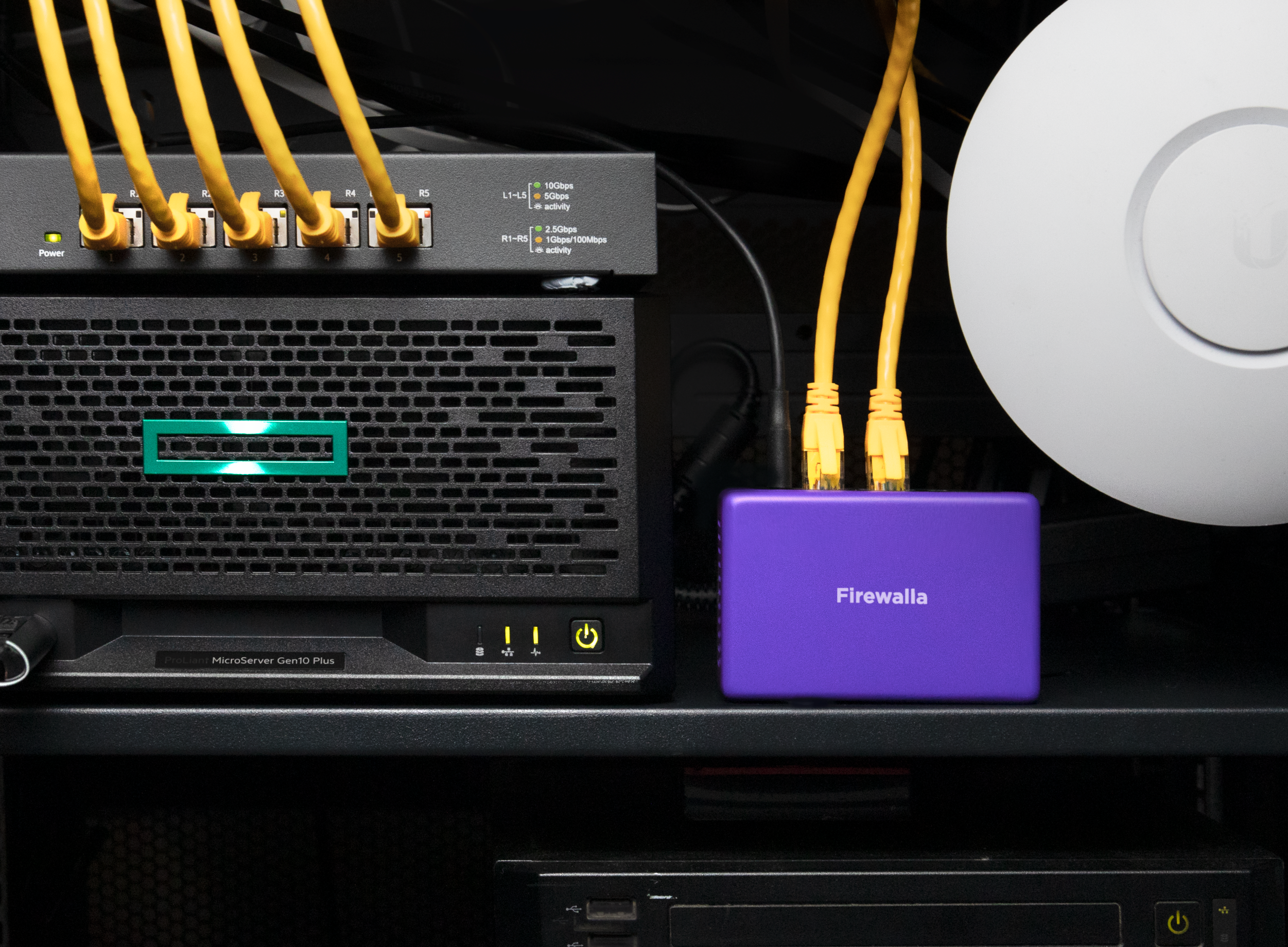
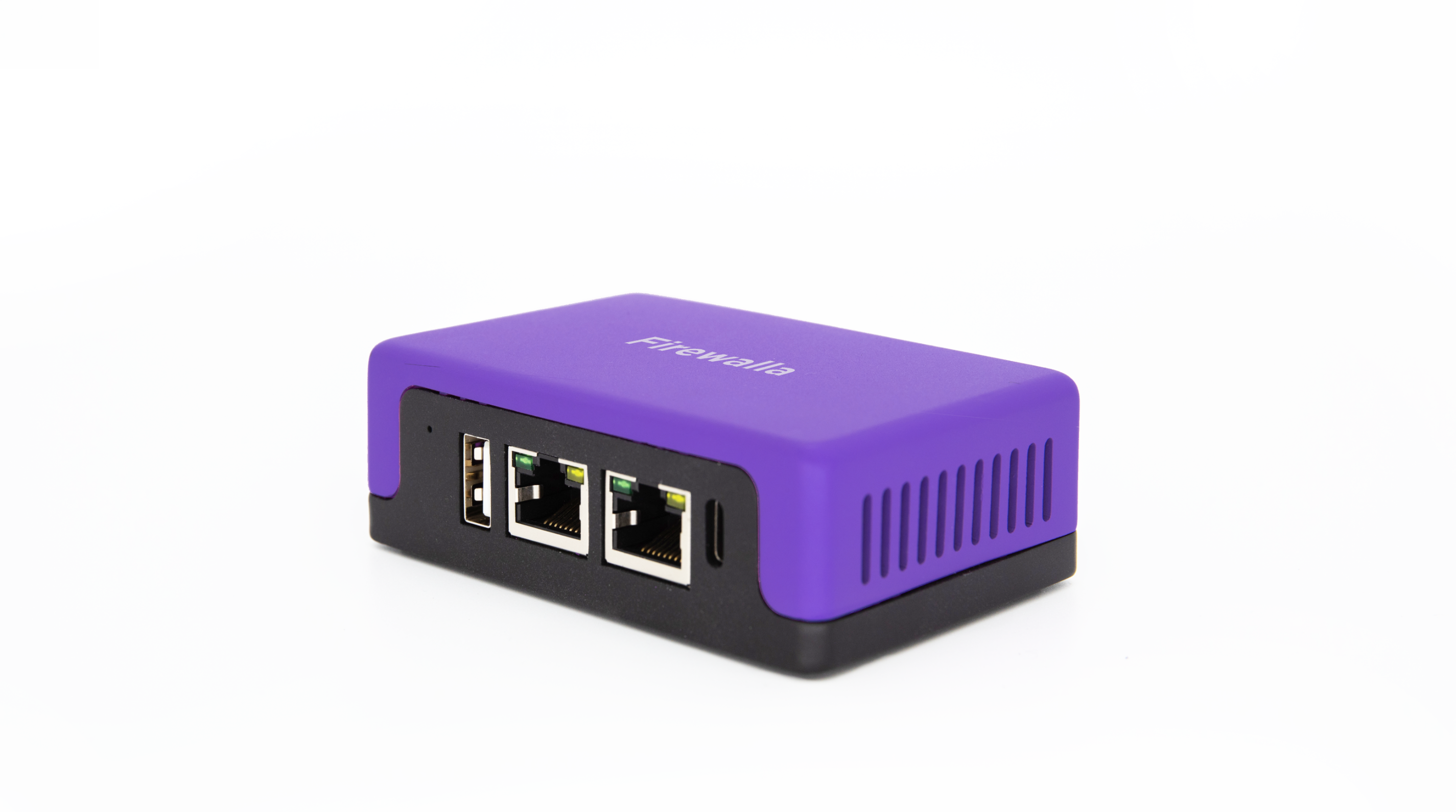
Over the course of the last few years, Firewalla‘s combined firewall and router devices have made a name for themselves as the go-to hardware security tools for many enthusiasts and small businesses. Today, the company started shipping its newest device, the Firewalla Purple, a diminutive gigabit firewall and router that is currently retailing for $319.

With the Purple, Firewalla, which was founded in 2015, is filling a hole in its lineup, which until now included 100 Mbps and 500 Mbps devices for home and small business users with prices ranging from $129 to $199, as well as a $458 3 Gbps+ device for larger businesses. With many homes now having access to gigabit internet connections, though, the Purple slots in nicely in the middle there.

Image Credits: Firewalla

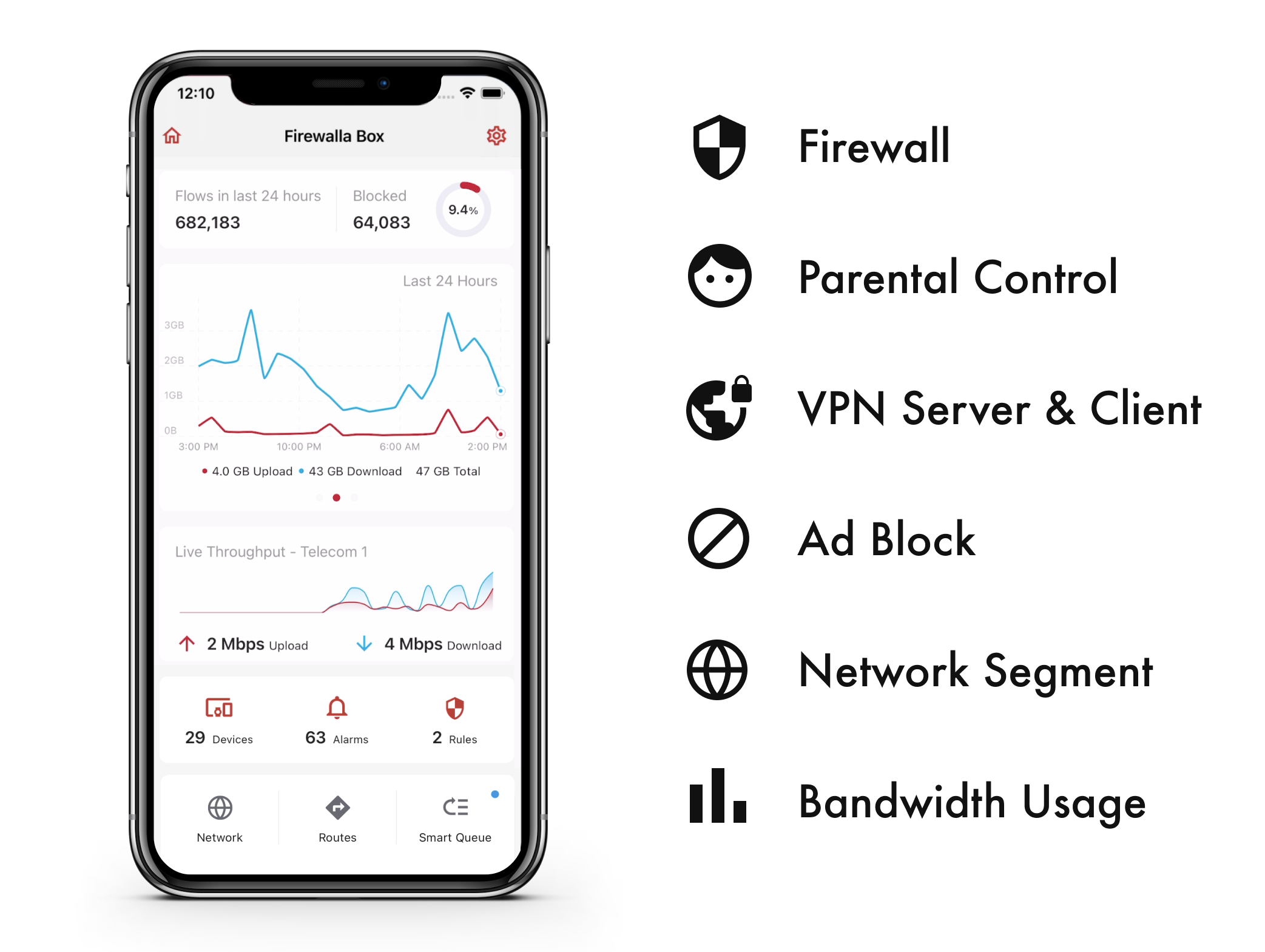
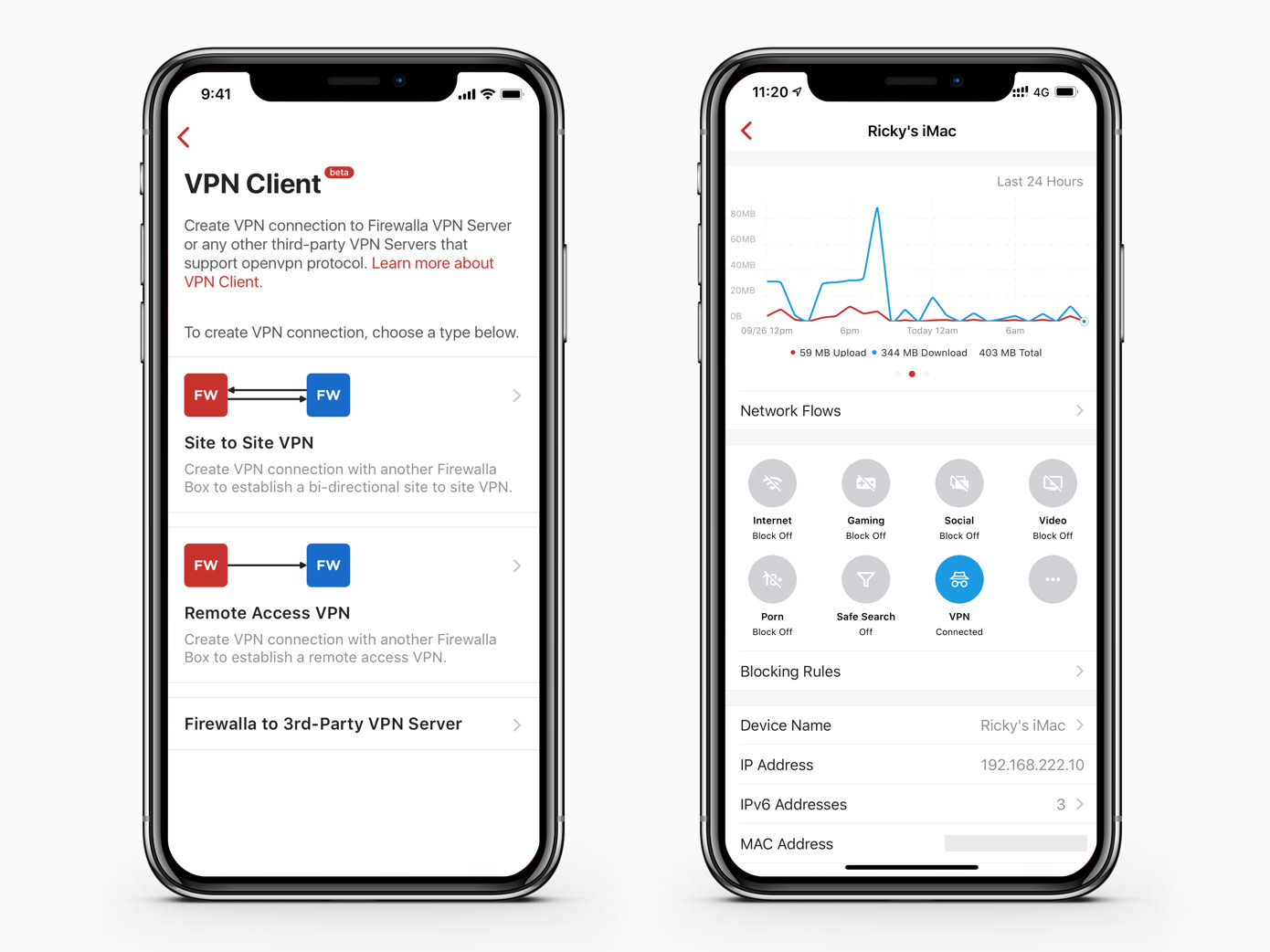
Like its other devices, the Purple’s core function is as a firewall, but with a device watching over your network, you can obviously do a lot more. In addition to monitoring and controlling your internet usage, the Purple also includes the ability to filter ads and provide parental controls to block access to adult content, for example, or to take the Xbox offline after a specific time. But it also can function as a VPN server and client and, if you want granular control over everything in your network, the Firewalla app allows you to go very deep into managing and shaping your network and traffic. To make that a bit easier, you can manage devices separately or group them in ways that make sense for your network and usage (I have groups for all of my desktops and IoT devices, for example).

One nifty feature of the Purple is that it features built-in Wi-Fi, so it can function as a travel router, but in a nifty twist, you can also tether it to your phone and provide internet connectivity to your network when your regular internet connection is down.

As Firewalla co-founder and CEO Jerry Chen told me, this Wi-Fi feature was originally something the company’s engineers wanted to play with — and I think that’s a good example of how Firewalla as a whole thinks about building its devices. “It’s all accidental,” Chen said. “The travel thing is purely accidental. We build fault tolerance into [the Purple]. Then, our engineers just go ‘I want to play with this.’ And they got another channel out from the same Wi-Fi chip.”

Depending on your network configuration, you can either connect the USB C-powered device in line between your modem and router or simply connect it to your router like any other ethernet-wired device. Firewalla offers a pretty straightforward guide to doing so, and no matter which route you go, it shouldn’t take more than five minutes to get everything up and running.

Image Credits: Firewalla

There is one exception: If you use Google Wifi or Google Nest’s mesh routers, which don’t support a number of specific networking modes that Firewalla needs to see and manage all your networking traffic, your setup will be a bit more complicated or you may not be able to see all the details about traffic on the mesh network.

As Chen noted, the company has tried to talk to Google. “The problem with Google Wifi is it’s not trying to play nice with people,” he said, and explained how the mesh router simply can’t be put into bridge mode or AP mode, necessitating a relatively hacky workaround. “We’d rather people not use Google Wifi — it’s just a unit trying to be the king of your network and we don’t want that to happen,” the always outspoken Chen said.

As Chen noted, the majority of Firewalla users are prosumers — users who want (or think they want) more advanced networking features. Often, these users then take these devices and bring them into small businesses as well. While you could always go for a complex networking setup from vendors like Cisco, Firewalla’s advantage is that it is extremely easy to set up.

Image Credits: Firewalla

“A lot of our customers are technology people — IT, InfoSec — and what I hear from them is ‘I want to go home. I don’t really want to do the stuff I do at work [at home] because it’s too complex for me. I want something simple — but not stupid’,” said Chen. Stupid, he argues, would be a button that simply says “secure.” That would be nice, but that’s not how security works. Instead, the company’s users want to be able to easily create rules and tune the network to their needs. “The best design is no button, but that’s not possible with security because security is not a no-button game,” said Chen.

For the user, that means the app for managing the device, while taking some getting used to, is mostly pretty intuitive — but if you want to delve deeper, you can set up custom routes and dig deep into the internals of your network. It won’t hold your hand, though. You can easily mess up, too. During the first couple of days, you’ll also get a lot of alerts, simply because you still have to teach the router what is normal traffic on your network and what is not.

Image Credits: Firewalla

As for the hardware, despite the chip and logistics crisis, which is also affecting Firewalla and its product lineup, the company is now able to ship the Purple router. But as Chen noted, where a few years ago, it took three weeks to build a device, 20 days to ship and then a few days to clear customs, it can now take months — and even though the company had locked in and paid deposits for production runs for its chips, manufacturers now often need more time and want to charge higher prices. An Ethernet MAC chip, he noted, used to cost cents, now the price is up to a few dollars.

Chen admitted that this put quite a bit of pressure on the company, which found itself in a bit of a cash crunch because of these delays. So while the pandemic helped the company grow a lot — with people at home looking to secure their networks — it also faced a lot of challenges on all fronts because of it. But it was able to weather the storm, in part through some inventive maneuvers. Since it wanted to get a few of the Purple’s out to beta testers early, for example, but couldn’t start a full production run, it wanted to do a micro build of 100 units — something that was expensive but that it was able to do fast because it was able to sneak it in as a sample run.

The one thing you won’t see Chen do anytime soon, though, is raise outside funding. Instead, the company was one of the early adopters of crowdfunding for its products. When he went to talk to VCs early on, the ones he talked to didn’t yet understand that consumers would want to bring these security tools to their homes.

“[The reason] we’re not VC-funded is because I’m an engineer. I just really can’t sit there and talk to VCs and pretend they know what they’re doing,” said Chen.


TechCrunch+ roundup: 3 customer experiments, Citrix-Tibco merger, building fundraising momentum

Stating the obvious: customer discovery is essential for startups that hope to achieve product-market fit.

Unfortunately, most of us are not skilled when it comes to talking to strangers. Each member of a startup’s founding team was hired for a specific reason, but customer outreach rarely leads the list.

Early-stage startups that hope to refine their value proposition and triangulate target users cannot afford to sit back and wait for customer intelligence to roll in.

Instead, founders need to conduct their own product and marketing experiments using robust methodology that produces actionable insights. If that sounds like extra effort, it shouldn’t: it’s an essential aspect of your job.


Full TechCrunch+ articles are only available to members
Use discount code TCPLUSROUNDUP to save 20% off a one- or two-year subscription


Elise King, program director of Human Ventures’ entrepreneur-in-residence program, interviewed three founders from her company’s portfolio to learn more about the tactics they used to acquire data:

  • Pre-MVP/customer discovery phase: Tiny Organics
  • Mid-MVP phase: Tabu
  • After product is in-market: Teal

“The overarching theme seems to be this: Listen to your demographic, learn from their experiences in order to find a way to truly service them, and don’t be afraid to pivot if needed,” advises King.

Product experiments are easy to manage, but they’re most effective when multiple team members are involved. Instead of having one person share their findings with the company, rope as many stakeholders into the process as possible.

I managed customer listening sessions at one startup that were so fruitful, our product managers, designers and engineers started attending. The direct interactions they had with early users helped us make smarter choices and fueled growth.

Go talk to some strangers: what might you learn from your earliest, most loyal customers?

Thanks very much for reading; I hope you have a great week.

Walter Thompson
Senior Editor, TechCrunch+
@yourprotagonist

Will the Citrix-Tibco merger create enterprise magic? Vista clearly thinks so

Citrix signage at the company's headquarters in Santa Clara, California, U.S., on Wednesday, Jan. 19, 2022. Elliott Investment Management and Vista Equity Partners are in advanced talks to buy software-maker Citrix Systems Inc., according to people familiar with the matter. Photographer: David Paul Morris/Bloomberg via Getty Images

Image Credits: Bloomberg (opens in a new window) / Getty Images

Most companies find it difficult to adapt to changing environments, but for legacy enterprise giants like Citrix Systems and Tibco, change is a mountain that keeps getting taller.

Where some see problems, though, others see opportunity: Vista Equity Partners and Elliot Management are betting that merging Citrix and Tibco to create an enterprise giant with leading products will help open cross-selling opportunities and market share, Ron Miller and Alex Wilhelm report.

“Both companies are now on make-it-or-break path, [but at least they are] no longer lingering on the doldrums of slow innovation,” said Holger Mueller, an analyst at Constellation Research.

How to build and maintain momentum in your fundraising process

pink bowling ball rolling toward pins in bowling alley

Image Credits: ozgurcankaya (opens in a new window) / Getty Images

Capturing investors’ attention isn’t enough when you’re raising money — often, you have to convince them your funding process is efficient and that you’re talking to other investors.

Momentum is key to building this level of interest, writes Nathan Beckord, CEO of Foundersuite.com, and that energy will propel your entire fundraising process.

After opening with a “great hack for asking for email introductions,” Beckord shares five hustle tips for maintaining and capitalizing on momentum that will maximize investor interest and appeal.

Bullish or bearish? What to expect for Europe VC activity in 2022

European venture capital had a stellar 2021, recording investments of €102.9 billion, up 120% from 2020.

Ample capital, great quality startups, and healthy deal flow are a few factors that will drive the European startup market to even greater heights, Nalin Patel, EMEA VC Analyst at PitchBook, and Christoph Janz, co-founder at Point Nine Capital, told Anna Heim and Alex Wilhelm.

However, a slow-down is also likely, as changing exit expectations linked to public market declines may trickle down to early-stage venture investment in Europe, Janz said.

“There’s institutional momentum in the market via funds that VCs have already raised, and FOMO won’t die out overnight. On the other hand, public markets are jitter-inducing and exits are on hold,” Alex and Anna wrote.

To cool down China’s overheated robotics industry, go back to the basics

Robotics and software may be lumped in together when we talk about tech, but the investment philosophies for each are wildly different.

So while China sees a bubble of rapid investments in robotics startups whose valuations are rising even faster, software investors must work to understand the robotics industry, its financial needs, and timelines before they jump in, says He Huang, partner at Northern Light Venture Capital.

“Investors and companies need to go back to business basics and resist the industry’s typical impatience for exits on both sides of the negotiation table.”

Joe Rogan, economics, and why capitalism is making people blame the CCP

Streaming platforms love exclusive content — at this stage in the industry’s development, these deals are the only things that distinguishes one company from the next.

In 2020, Spotify licensed Joe Rogan’s iconoclastic podcast for more than $100 million.

But today, hundreds of scientists and doctors say Rogan is using his perch to spread COVID-19 misinformation, and the resulting furor has led several musicians to pull their work from the platform.

“This put Spotify in a pickle,” writes Alex Wilhelm in The Exchange.

“The company wants to have both a commodity music business and an exclusive podcasting business. But instead, its exclusive podcasting strategy was undercutting its core value proposition and revenue driver, namely offering most recorded music for a regular fee.”


5 investors discuss what’s in store for venture debt following SVB’s collapse

There are many questions around the implications of Silicon Valley Bank’s (SVB) collapse that won’t be answered for a long time. But there’s...